Written by Dr. Clifford Yudelman | Last Medically Reviewed: February 2026
Over four decades of clinical expertise in conservative and biomimetic (tooth-preserving) dentistry.
Rated 4.9 on Google (450+ reviews) • Trusted by local and international patients in Sea Point, Cape Town
Dental emergencies are rarely convenient and often stressful. Sudden pain, swelling, or damage to a tooth can make it difficult to think clearly, especially when you are unsure what needs to be done and how urgently.
Located in Sea Point on Cape Town’s Atlantic Seaboard, OptiSmile provides urgent restorative dental care for patients from Sea Point, Green Point, Fresnaye, Camps Bay and the City Bowl.
At OptiSmile, our emergency care is led by experienced restorative dentists with advanced diagnostic capability, including digital imaging and CBCT scanning when clinically required. We manage dental emergencies calmly and conservatively. Our priority is to assess the problem properly, relieve pain safely, and protect your long-term oral health rather than rushing into treatment that may create bigger problems later.
Unlike clinics that default to removing teeth, OptiSmile focuses on accurate diagnosis and long-term restorative solutions. Our priority is to preserve your natural tooth whenever clinically possible.
If you are experiencing sudden dental pain, swelling, or damage to a tooth, we prioritise urgent assessments and aim to see you as soon as clinically appropriate.
If you’re in pain, your first goal is not a final treatment — it’s a safe diagnosis and stabilisation. We will help you understand what’s happening, what’s urgent, and what can wait, so you can make a calm decision.
Go to a hospital emergency department immediately if you have:
For most dental emergencies, such as a severe toothache, a broken tooth, a lost crown or filling with pain, a loosened tooth, or a suspected abscess, an urgent dental assessment is usually the best first step.
When in doubt, swelling with fever, rapidly worsening symptoms, or symptoms affecting breathing or swallowing should be treated as urgent.
Choose the earliest available emergency appointment. If you’re unsure what you need, book an emergency assessment, and we will guide the next step after examination. It’s always best to call us when the switchboard opens at 8h00 daily, Monday to Friday, for prompt assistance, rather than email or WhatsApp, which may delay a response.
A dental emergency is any situation in which delaying care could worsen pain, increase the risk of infection, or cause permanent damage to a tooth or its surrounding tissues.
Some dental problems worsen rapidly if ignored. Others may feel dramatic but remain stable for a short period. Knowing the difference is especially important if you are travelling, working to deadlines, or managing care within a limited time frame.
Our focus is to:
You should seek urgent dental advice if you experience:
Early assessment often makes the difference between saving a tooth and losing it. The costliest emergency is the one that’s left too long — because small problems can become complex (and expensive) if infection or fractures worsen.
Not every dental concern requires immediate intervention, often a checkup is all that is needed. Some symptoms are uncomfortable but stable, and rushing into treatment can sometimes cause more harm than good.
These may include:
If you are unsure whether your situation is urgent, it is always safer to ask than to guess.




Every emergency case follows a measured, structured process:
1

Urgent assessment
2

Pain relief and stabilisation

3
Clear diagnosis and explanation
Using advanced digital imaging and CBCT scanning where clinically indicated and magnification where needed, we explain your situation and options clearly.

4
Next steps

We prioritise saving teeth wherever possible rather than defaulting to extraction.


Some dental emergencies require immediate care, while others can be stabilised safely for a short period. Pain alone does not always determine urgency. An assessment allows us to advise whether treatment should be provided immediately or planned carefully without increasing risk.
No. Many toothaches are caused by inflammation or infection that can often be treated while preserving the tooth. Extraction is considered only when it is the safest option, not as a default response to pain.
This is more common than many people realise. Pain after recent dental treatment does not always mean something has gone wrong, but it should be assessed. We focus on identifying the cause and stabilising the tooth without blame or unnecessary intervention.
Emergency dental care focuses on assessment, pain relief, and stabilisation. Definitive treatment may be immediate or staged, depending on the condition of the tooth and surrounding structures.
Hospital emergency departments are appropriate for trauma or swelling that affects breathing. Most dental pain and infections can be managed by a dentist with the appropriate diagnostic tools and expertise.
If you are unsure whether your situation is urgent, early guidance can prevent unnecessary pain, cost, and long-term complications.
If you need urgent help, contact OptiSmile as soon as possible so we can advise the next safest step. We prioritise urgent cases during operating hours. If your issue is after hours, we will advise you on the next steps. If you have swelling that affects breathing or swallowing, uncontrolled bleeding, or significant facial trauma, go to a hospital emergency department immediately.
We recommend booking or calling first, even if you plan to come in immediately. On weekends and after hours, we can only see registered OptiSmile patients.
Same-day access depends on clinical urgency and current scheduling, but urgent pain, swelling, trauma, and suspected infection are prioritised for assessment as soon as clinically appropriate.
Red flags include swelling, fever, pain that escalates rapidly, pain when biting, a bad taste or discharge, trauma, or symptoms that wake you at night. A routine issue may be uncomfortable but stable. If you are unsure, it is safer to ask for guidance.
Most tooth pain and abscesses are best treated by a dentist because the cause needs dental diagnosis and stabilization. Go to the hospital urgently if swelling is spreading quickly, you feel unwell with fever, you have difficulty breathing or swallowing, or there is facial trauma.
Use short-term measures to reduce discomfort, but treat them as a bridge, not a cure. Keep the area clean, avoid chewing on the painful side, use a cold pack for facial swelling, and use over-the-counter pain relief only if it is safe for you and taken exactly as directed.
Pain often feels stronger at night because there are fewer distractions, and lying down can increase blood flow and pressure in inflamed tissues. This can make a toothache feel more intense, even if the underlying cause has not changed.
Apply firm pressure with clean gauze or a clean cloth and hold it in place without repeatedly checking. Keep your head elevated and avoid vigorous rinsing or spitting. If bleeding does not slow down or is heavy, seek urgent care.
Handle the tooth by the crown only, keep it moist, and seek urgent dental assessment immediately. If possible, store it in milk or saliva and avoid scrubbing the root. Timing matters; the sooner you are assessed, the better the chance of saving the tooth.
Cracks can deepen under bite pressure and may lead to infection, nerve damage, or a fracture that makes the tooth irreparable. Early assessment can often prevent escalation and reduce the need for more invasive treatment.
In many cases, yes. A general dentist can often stabilise pain and infection and perform emergency treatment when appropriate. Complex cases, retreatment, or challenging root anatomy may benefit from an endodontist; OptiSmile offers advanced endodontic root canal therapy and, in most cases, does not require a referral. We will guide you on whether a referral is needed.
If your main issue is a severe toothache due to deep nerve inflammation or infection, you may need root canal treatment, which can be performed by a general dentist or an endodontist, depending on the complexity. Emergency care starts with diagnosis and stabilisation; we then recommend the right provider for definitive treatment.
Yes, we can help stabilise urgent orthodontic issues, such as a sharp wire or a broken bracket that is causing injury to your mouth. If you are from Cape Town and your retainer is broken, you should always see your own orthodontist.
If a tooth is knocked out or fractured, contact us immediately for guidance. Keep any broken fragments, avoid letting your child chew on the affected side, and manage swelling with a cold pack. Baby teeth and adult teeth are managed differently, so assessment is important before trying to reposition anything.
If you have any chronic conditions, always bring a list of your medications and medical history. We focus on safe pain relief and stabilisation first, and coordinate next steps carefully to minimise bleeding risk.
Yes, urgent dental problems should not be ignored during pregnancy. Tell us you are pregnant and which trimester you are in, and we will plan imaging, pain relief, and treatment choices conservatively and safely.
Bring a list of medications, allergies, relevant medical conditions, and any recent dental records or X-rays, if available. If a crown or tooth fragment came out, bring it with you.
You can expect triage, a focused examination, imaging where needed, pain relief, and stabilisation first, then clear next steps. Some problems can be resolved immediately, others are best managed in stages for long-term predictability. Be aware that OptiSmile is not a walk-in emergency clinic that focuses on same-day extractions. We require appointments and will only prioritise restorative and tooth-saving techniques in most cases, unless a tooth is not salvageable.
A remote consult can help with triage, advice, and deciding how urgently you need to be seen. It cannot replace an in-person exam for diagnosis or definitive treatment, but it can help you take the right next step quickly.
Look for clear credentials, transparent communication, realistic advice, and a clinic that explains diagnosis and options before rushing into treatment. Reviews can help, but prioritise clinics that show consistent patient care, clear processes, and appropriate referral pathways for complex emergencies.
We will give you personalised instructions, but the basics are to protect the healing area, avoid disrupting the clot, manage swelling as advised, and return promptly if pain, swelling, or bleeding worsen rather than improve
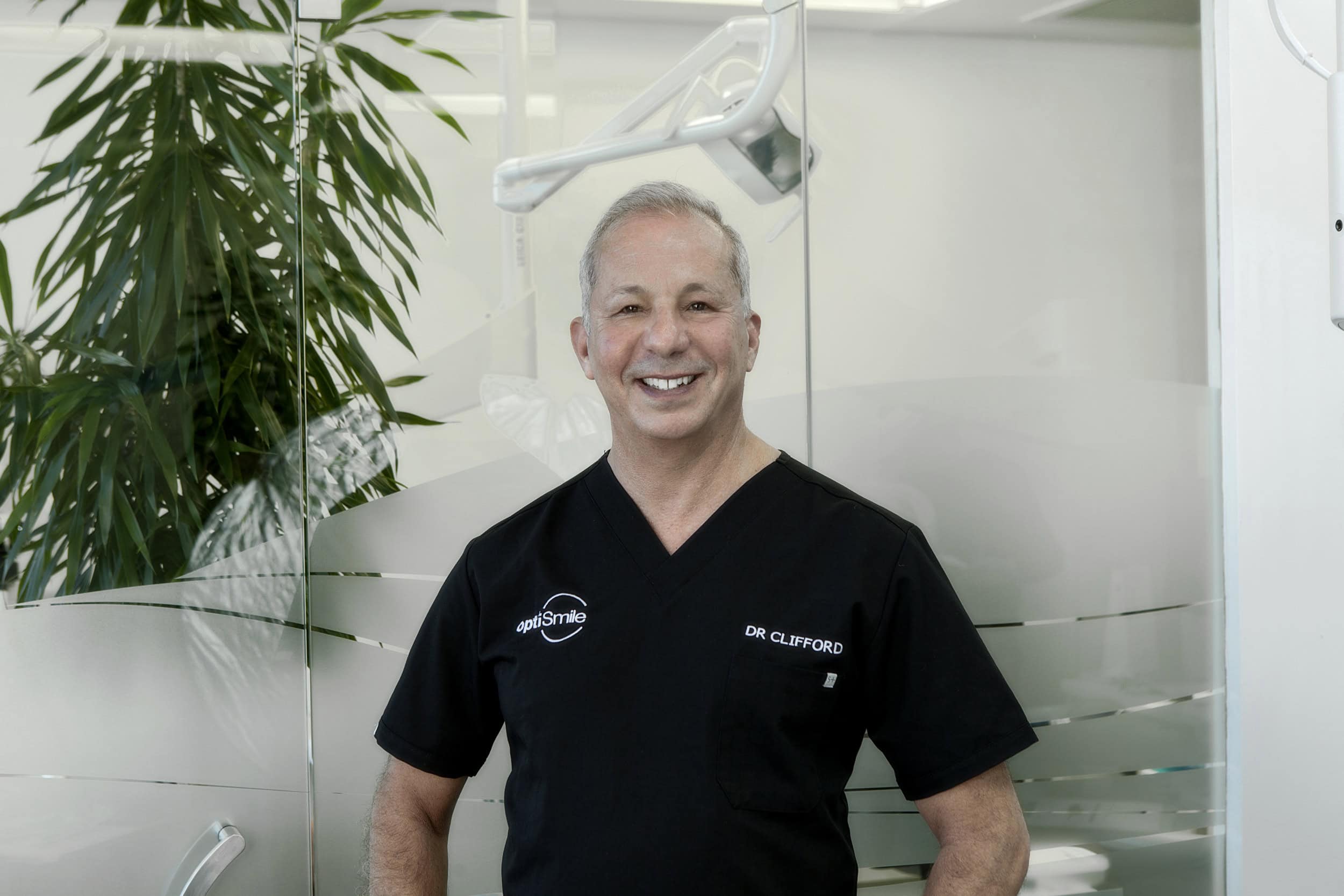
Dr. Clifford Yudelman (BDS Wits) is the founder of OptiSmile and a second-generation dentist with over four decades of experience across four continents, including London, Australia, and America. As the host of the “Save Your Money, Save Your Teeth” podcast, Dr. Yudelman is a leading advocate for ethical, minimal-prep dentistry. He is a member of the South African Dental Association (SADA), the South African Academy of Aesthetic Dentistry (SAAAD), and HPCSA-registered (Registration number DP 004219), and specializes in integrating AI diagnostics and Digital Smile Design into patient-centered care.
🍪 Cookies for a Better Visit, Not Cavities! 🍪
Our website uses cookies to enhance your user experience. These cookies won’t harm your teeth—promise! By continuing to browse, you agree to our Privacy Policy.