Chapters
Introduction
[00:00:03 – 00:00:46]
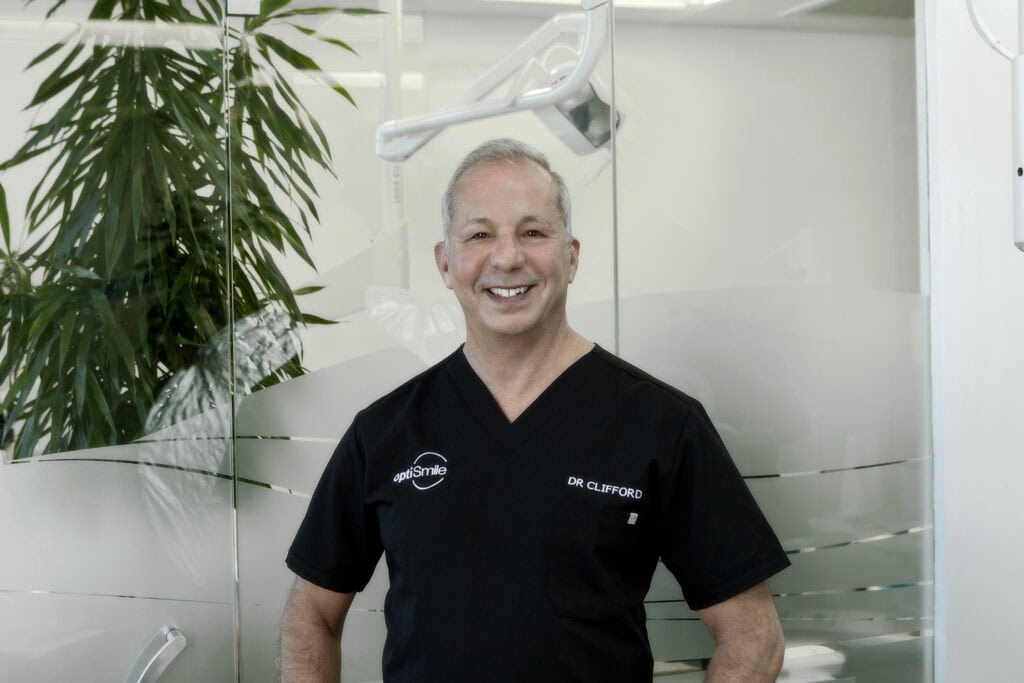
Eon Engelbrecht introduces a discussion on men’s oral health as a “silent crisis”, with Dr Clifford Yudelman explaining why it connects to long-term vitality, stress, and overall health, not just a bright smile.
Why Men Visit the Dentist Less
[00:00:47 – 00:02:55]
Men often delay dental visits until they are in pain, usually due to time pressure, avoidance, or anxiety. The risk is that serious problems can progress quietly, including gum disease, tooth cracks, and even oral cancer. Regular check-ups are framed as early detection and monitoring, saving time, money, and teeth by preventing emergencies and complex treatment.
Gum Disease and Heart Health
[00:02:56 – 00:06:23]
Dr Yudelman explains that periodontal disease is strongly associated with cardiovascular disease through shared inflammatory pathways. Chronic gum infection can raise systemic inflammation markers and may contribute to artery disease risk, especially for men over 40. The takeaway is practical: if you have bleeding gums, it is not something to ignore, it is a health warning worth addressing early.
Stress, Clenching and Cracked Teeth
[00:06:24 – 00:08:03]
Stress often shows up as clenching and grinding, creating forces that exceed normal chewing and lead to enamel and dentine cracks over time. These cracks can develop into “Cracked Tooth Syndrome” and may eventually require crowns, onlays, a root canal, or extraction. Managing stress and using a properly made bite plate can help prevent expensive, irreversible damage.
Gum Disease and Erectile Dysfunction
[00:08:03 – 00:09:29]
The conversation highlights research linking moderate-to-severe gum disease with erectile dysfunction, likely due to shared mechanisms such as vascular dysfunction and systemic inflammation. The message is not fear-based, it is about integration: gum health supports circulation, and oral health forms part of whole-body health.
Oral Cancer Risk and Warning Signs
[00:09:29 – 00:12:20]
Men have higher oral and oropharyngeal cancer risk, often linked to tobacco and alcohol exposure, with combined use multiplying risk. Early signs may be painless and include persistent ulcers, red or white patches, lumps, unexplained bleeding, or numbness, especially under the tongue or at the side of the tongue. Regular dental exams include screening, and early detection can reduce the need for aggressive treatment.
Contact Sports and Long-Term Dental Costs
[00:12:21 – 00:13:33]
Dental trauma is described as cumulative: a chip in your 20s can become major restorative work later in life. Minor repeated impacts can weaken teeth even without obvious injury. Professionally made mouthguards are positioned as a low-cost way to protect natural tooth structure and avoid lifetime repair costs.
Medication Side Effects and Dry Mouth
[00:13:34 – 00:14:55]
Common medications, including those for high blood pressure, can cause dry mouth, reducing saliva’s protective effect against acids and bacteria. This can increase cavities, gum disease, and bad breath, with higher root decay risk as gums recede. Proactive management may include saliva support, fluoride strategies, and dietary changes.
Sleep Apnoea, Mouth Breathing and Tooth Damage
[00:14:56 – 00:16:43]
Sleep apnoea is linked to mouth breathing, dry mouth, and acid reflux, all of which can erode enamel and raise the risk of cracking and failing restorations. Teeth grinding may also be more common, accelerating damage. Dr Yudelman notes that OptiSmile can screen for airway issues and offer treatment pathways for snoring and sleep apnoea.
Is Daily Flossing Optional?
[00:16:43 – 00:17:35]
The answer is a firm no: daily interdental cleaning is essential, particularly because men have higher gum disease rates. Plaque between teeth fuels inflammation that can progress to bone loss and loose teeth. The cost of daily flossing is minimal compared to the cost of treating advanced disease.
What Is an Executive Dental Check-up?
[00:17:36 – 00:19:13]
An “Executive Dental Check-up” is positioned as a time-efficient, comprehensive assessment upfront, using detailed photos, 3D scans, and X-rays to identify risks early and plan conservative treatment. The focus is on preventing emergencies and protecting productivity, making dental care a rational health investment for busy professionals.
Conclusion
[00:19:13 – 00:21:02]
Eon closes with a clear message to men: oral health is whole-body health, and waiting for pain is the most expensive way to manage it. The episode ends with a reminder that you can learn more and book online via OptiSmile.
Transcript
Eon Engelbrecht – E-Radio (0:03 – 0:32)
Hello and welcome to another episode of Save Your Money, Save Your Teeth. I’m
Eon, and today we are discussing a topic that often goes ignored until it becomes a
painful emergency: men’s oral health. Dr Clifford Yudelman from OptiSmile is
back to explain why this silent crisis is about much more than just a bright smile—
it is about your heart health, your stress, and your long-term vitality. Dr Clifford
Yudelman, welcome back.
Dr Clifford Yudelman – OptiSmile (0:32 – 0:46)
Thank you. Thanks for having me back. We have a great one today for any men
listening to this—or if you are a mum or a wife, this is for the men in your life.
Share it with them.
Eon Engelbrecht – E-Radio (0:47 – 1:00)
So, Doctor, statistics show that men visit the dentist less than women. Why is this
such a major health risk? Are the guys scared?
Dr Clifford Yudelman – OptiSmile (1:00 – 2:55)
Actually, yes, I think they are. They are also often very busy—too busy to look after
themselves in general. Men, on average, attend the dentist less frequently and
only when something hurts. We often see Mum bring the kids in, and then two
years later she calls up—or the PA calls up—and says, “Mr Jones has a toothache,
can you get him in? He is off to London tomorrow.” They are very short on time,
even when they do have a toothache.
The pattern is risky because most serious oral diseases are silent in the early
stages. Gum disease, tooth cracks, and even oral cancer can progress significantly
before pain appears. Large population studies consistently show that men have
worse periodontal health and higher rates of advanced gum disease when
diagnosed, as well as higher rates of tooth loss compared to women. This isn’t just
because men’s teeth are weaker; it is because the disease is detected later when
treatment is more complex, invasive, and expensive.
From a preventative perspective, regular dental visits are not about fixing
problems; they are about identifying risk early, monitoring changes over time, and
intervening conservatively before damage becomes permanent. When men delay
care, they miss that window. The “Save Your Money” message is simple: early
detection is cheaper, faster, and far less disruptive than emergency treatment. The
“Save Your Teeth” message is even clearer: you cannot preserve what you do not
monitor.
Eon Engelbrecht – E-Radio (2:56 – 3:15)
That is very true. Doctor, you often hear people saying that bad gum health is
linked to heart disease in men. Is there a documented link between gum disease
and heart attacks, especially in men over 40?
Dr Clifford Yudelman – OptiSmile (3:15 – 5:11)
Yes, there is a very strong and well-documented association. They are not calling it
causative yet, but there are strong associations in hundreds, if not thousands, of
studies between periodontal disease and cardiovascular disease. While they don’t
think gum disease directly causes heart attacks, they share common inflammatory
pathways.
Chronic gum infections lead to persistent systemic inflammation. There are
inflammatory markers in your blood called C-reactive protein, which are elevated
in people with advanced gum disease. Inflammation plays a central role in
atherosclerosis—the thickening of the arteries that causes strokes and heart
attacks. Multiple large observational studies show that people with periodontitis
have a higher risk of cardiovascular events compared to those with healthy gums.
Treating gum disease has been shown to reduce general inflammation in the body.
For men over 40 who already have a higher baseline risk, ignoring gum health is
not a neutral choice. Oral health is part of your whole-body health. The mouth
should not be viewed in isolation from the vascular system. You know the saying,
“What happens in Vegas stays in Vegas”? Well, what happens in your mouth
doesn’t stay in your mouth.
Eon Engelbrecht – E-Radio (5:11 – 5:22)
I get it! That’s a good one. So, it’s not a myth. There is definitely a link.
Dr Clifford Yudelman – OptiSmile (5:22 – 6:23)
Exactly. When someone has a bypass and they remove a piece of blood vessel from
the heart, if they do DNA testing on the plaque, they can sometimes match it with
the exact DNA of the bacteria in your gums. Although they haven’t shown direct
cause, I think it is just a matter of time before they confirm that bacteria travels
from the gums, lodges in the blood vessels, causes inflammation, and cholesterol
gets laid down. I’ve been reading a lot on this for my own health management. I’m
not a cardiologist, but the information is out there.
Eon Engelbrecht – E-Radio (6:24 – 6:32)
And then stress—apparently stress can manifest in your jaw. I never knew this.
How does it actually lead to cracked teeth?
Dr Clifford Yudelman – OptiSmile (6:33 – 8:03)
It often shows up in the jaw before it shows up anywhere else. Many men will
clench and grind their teeth, especially during sleep, intense concentration, or
when working out. Clenching generates forces that far exceed normal chewing.
Over time, these forces lead to cracks in the enamel and dentine. These can
progress into “Cracked Tooth Syndrome,” where a tooth hurts when you bite or
release, even if it looks normal on the surface.
The problem is cumulative. Every stressful day adds more load; each night of
grinding adds more damage. Eventually, a tooth that looks intact just fails
structurally—it splits open. You might then need a crown, an onlay, a root canal, or
even an extraction. Managing stress and protecting teeth with a bite plate is
crucial. We’ve done podcasts on bruxism plates; they need to be made properly by
a dentist. Addressing these bite forces prevents a cascade of expensive and
irreversible treatment. It is a classic example of how lifestyle factors silently
translate into dental costs later.
Eon Engelbrecht – E-Radio (8:03 – 8:14)
So now we know there is a link between gum disease and heart attacks. There is
also apparently a surprising connection between gum disease and erectile
dysfunction. Is that correct?
Dr Clifford Yudelman – OptiSmile (8:15 – 9:29)
Yes. That is a topic many men find surprising, but the science is there. Erectile
dysfunction (ED) and periodontal disease share common mechanisms, particularly
vascular dysfunction and systemic inflammation. Healthy erectile function depends
on good blood flow, and chronic inflammation damages blood vessels and impairs
endothelial function.
Periodontal disease is a significant source of chronic inflammatory burden. Peerreviewed studies have demonstrated an association between moderate-to-severe
gum disease and ED, even after adjusting for factors like smoking and diabetes.
The important message here is not fear, but integration. Oral health is not just
cosmetic; it is part of a network of systems affecting circulation and inflammation.
Looking after your gums is one more way of looking after your vascular health.
Eon Engelbrecht – E-Radio (9:29 – 9:39)
Why are men at a higher risk for oral cancer, Doctor? And what specific signs
should they look out for?
Dr Clifford Yudelman – OptiSmile (9:39 – 12:20)
Men are more likely to develop oral and oropharyngeal (throat) cancer than
women. This is mainly due to higher exposure to risk factors like tobacco use and
alcohol consumption—especially hard alcohols like whisky, rum, and vodka shots.
Alcohol and tobacco together multiply the risk rather than just adding to it.
Oral cancer often begins painlessly. Early signs include persistent ulcers, red or
white patches, lumps, unexplained bleeding, or numbness. Lesions on the side of
the tongue or the floor of the mouth (under the tongue) are particularly
concerning. If you have something that looks like it should be sore but isn’t, get it
checked out.
Additionally, HPV (Human Papillomavirus) plays a growing role in certain throat
cancers. Regular dental exams include cancer screening. Catching cancer early
dramatically improves survival rates and reduces the need for aggressive surgery
or radiation. Ignoring early signs is one of the most dangerous delays men make
in healthcare.
Eon Engelbrecht – E-Radio (12:21 – 12:31)
For the active guys, how do contact sports and minor impacts lead to long-term
dental costs?
Dr Clifford Yudelman – OptiSmile (12:31 – 13:33)
Dental trauma is not a one-stop event. A chipped tooth at 25 can become a crown
at 40 and an implant at 60. Repeated minor impacts, even without obvious injury,
can weaken enamel over time. Contact sports without a professionally made
mouthguard increase the risk of fractures, nerve damage, and jaw injuries.
The cost of a custom mouthguard—which we now make with a 3D scan—is trivial
compared to the lifetime cost of repairing damaged teeth. Once tooth structure is
lost, it cannot be regenerated. We have technology like injection moulding that
comes close, but it is still not your own tooth. Protection during sport isn’t about
looking tough; it’s about preserving natural teeth for life.
Eon Engelbrecht – E-Radio (13:34 – 13:43)
When it comes to common medications, let’s say for high blood pressure, can this
also negatively affect a man’s oral health?
Dr Clifford Yudelman – OptiSmile (13:44 – 14:55)
Yes. We’ve spoken before about blood pressure medication causing dry mouth.
Saliva is essential for neutralising acids, washing away food debris, and delivering
minerals that protect enamel. Dry mouth significantly increases the risk of cavities,
gum disease, bad breath, and infections.
In older males, we often see root decay because the gums have receded slightly,
the mouth is dry, and cavities form quickly on the softer root surface. Men on longterm medication often think their dental problems are due to ageing, but it is
actually the medication. You can manage this with saliva substitutes, fluoride
supplementation, and dietary adjustments. Medication saves lives, but its oral side
effects must be managed proactively.
Eon Engelbrecht – E-Radio (14:56 – 15:07)
And sleep apnoea? How exactly does that ruin your teeth?
Dr Clifford Yudelman – OptiSmile (15:07 – 16:43)
Sleep apnoea is more common in men, particularly those who are overweight or
have certain airway characteristics. It affects breathing during sleep and has farreaching consequences. From a dental perspective, sleep apnoea is associated
with mouth breathing, dry mouth, and acid reflux. The acid erodes enamel, and
people with apnoea often grind their teeth, which accelerates the damage.
We see this frequently in men in their 40s or 50s presenting with cracked teeth and
failing fillings. Addressing airway issues protects both general health and dental
structures. At OptiSmile, we can screen for this and provide treatments like the
OptiSleep mandibular advancement splint, which keeps the jaw forward during
sleep so you don’t choke on your tongue.
Eon Engelbrecht – E-Radio (16:43 – 16:51)
Do men really need to floss daily, or is it just a “nice to have”?
Dr Clifford Yudelman – OptiSmile (16:51 – 17:35)
No, it is definitely far from optional. You have to do it. Men have higher rates of
gum disease, and plaque accumulation between teeth is a major driver of
inflammation. If plaque sits undisturbed, you get inflammation, bone loss, and
eventually loose teeth. The cost of daily interdental cleaning is almost nothing, but
the cost of treating advanced gum disease is expensive.
Eon Engelbrecht – E-Radio (17:36 – 17:45)
Final question for today: What is an “Executive Checkup” and why should busy
professionals prioritise it?
Dr Clifford Yudelman – OptiSmile (17:45 – 19:13)
We treat all our patients like executives, but I like the name “Executive Dental
Checkup” because it appeals to those who value efficiency. We focus on a
comprehensive assessment right at the beginning rather than piecemeal
treatment.
We include detailed photos, 3D scans, AI X-rays, and risk assessments for gums
and other factors. The goal is to understand where problems are likely to develop.
For busy professionals, this prevents emergencies, protects productivity, and
allows for planned, conservative treatment rather than crisis-driven dentistry. It
respects time, money, and biology, making it a rational health investment, not a
luxury.
Eon Engelbrecht – E-Radio (19:13 – 19:30)
Gentlemen, the message today is clear: oral health is whole-body health. Don’t
wait for the pain to start. Thank you, Dr Clifford Yudelman.
Dr Clifford Yudelman – OptiSmile (19:30 – 19:33)
My pleasure. Don’t be a wuss! Thanks for the great questions.
Eon Engelbrecht – E-Radio (19:34 – 19:39)
Thank you, Doctor. And for more tips on how to save your money and save your
teeth, stay tuned for our next episode. Until then, take care.
Dr Clifford Yudelman – OptiSmile (19:40 – 19:48)
My pleasure. And thanks again for all your hard work and for your great questions.
And looking forward to speaking to you next week.
Eon Engelbrecht – E-Radio (19:49 – 19:58)
Likewise. Thank you. And for more tips on how to save your money and save your
teeth, stay tuned for our next episode. Until then, take care.
Announcer (20:47 – 21:02)
Until then, take care. Stay in touch with OptiSmile or book directly online on
OptiSmile.co.za. OptiSmile, where global expertise meets local care.
Disclaimer: The content provided in this podcast, “Save Your Money Save Your Teeth” on Medical Mondays, is for informational and educational purposes only. It is not intended to serve as dental or medical advice. The insights and opinions expressed by Dr. Clifford Yudelman and any guests are designed to foster a better understanding of dental health, preventive measures, and general well-being, but should not be interpreted as professional dental or medical recommendations.Dr. Clifford Yudelman does not diagnose, treat, or offer prevention strategies for any health conditions directly through this podcast. This platform is not a substitute for the personalized care and advice provided by a licensed dental or healthcare professional. We strongly encourage our listeners to consult with their own dental care providers to address individual dental health needs and concerns.The information shared here aims to empower listeners with knowledge about dental health but must not be used as a basis for making health-related decisions without professional guidance. Your dental care provider is the best source of advice about your dental and overall health. Please always seek the advice of your dentist or other qualified health professionals regarding any questions or concerns about your dental health.