Chapters
Introduction
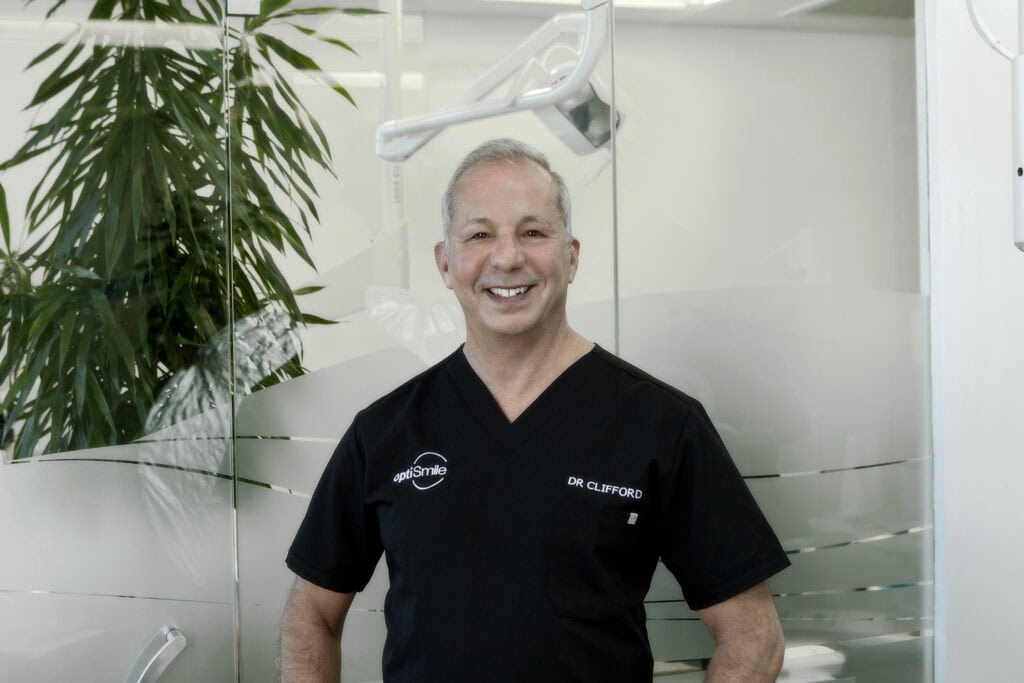
In this episode of Save Your Money, Save Your Teeth, Dr Clifford Yudelman explores the growing trend of mouth taping to improve snoring and promote nasal breathing. Examining the current evidence, debunks online myths, and offers practical guidance on safe practice.
What Do Clinical Studies Show?
[00:01:20]
Most studies are small and rely on partner reports rather than sleep studies. A 30% snoring reduction is noted, but evidence remains inconclusive.
Why Is Research Limited?
[00:04:24]
Mouth taping is a DIY solution with no commercial backing, so there’s little incentive to fund rigorous studies compared to CPAP or oral appliances.
Debunking Online Myths
[00:06:50]
Claims that mouth taping cures sleep apnoea, reshapes the jaw, or detoxes the lungs are baseless. There’s no physiological mechanism for these effects.
Who Should Avoid Taping?
[00:08:35]
People with moderate-to-severe sleep apnoea, nasal obstruction, or claustrophobia should avoid taping due to risks of hypoxia and discomfort.
Physiological Rationale for Nasal Breathing
[00:12:26]
Nasal breathing filters air, boosts nitric oxide for oxygen uptake, and balances CO₂. Taping aims to maintain these effects during sleep.
How Silly Does It Look?
[00:15:51]
Standard tape can look odd and feel restrictive. MyoTape offers a less claustrophobic option and adds humour with “his and hers” packs.
Safe Tape Options
[00:17:52]
Use hypoallergenic, medical-grade micropore tape or MyoTape. Avoid duct tape and untested commercial brands that may harm skin.
Risks to Watch Out For
[00:18:41]
Look for signs like redness or nasal congestion. Never reuse tape, and stop use if you experience fatigue or breathing issues.
Self-Testing Nasal Function
[00:20:47]
Try the lip-seal test, nostril-patency check, and the BOLT score (20–30 seconds is good; under 10 seconds suggests poor nasal breathing).
When to Stop and Seek Help
[00:24:17]
Discontinue use if you experience panic, headaches, gasping, or sleepiness. Consult an ENT or sleep doctor for professional guidance.
Conclusion
While mouth taping may help mild snorers, it lacks strong scientific backing and may be unsafe for others. Always consult a professional before trying.
Transcript
Eon Engelbrecht – E-Radio-SA: Welcome again to Save Your Money, Save Your Teeth, the go-to podcast where curiosity meets dentistry, straight from the experts. And I’m Eon Engelbrecht – E-Radio-SA, and every week I’m chatting to Dr Clifford Yudelman – OptiSmile, taking a deep dive into the world of dental care from a consumer’s perspective. Whether you’re looking to brighten your smile or protect your wallet, we’ve got you covered with practical advice and the latest insights. So stick around as we uncover the secrets to maintaining both your dental health and your finances. New week, new topic. Dr Yudelman, welcome back.
Dr Clifford Yudelman – OptiSmile: Thank you. And I got a lot of great feedback last week from some listeners regarding the ice-chewing, and also the nail-biting and lip-biting episodes helped a few people, so I’m very happy. Lately, a lot of people have been asking me about mouth taping and nasal breathing, so I decided to do an episode which I call Mouth Taping and Nasal Breathing Myths, Evidence and Safe Practice. I wanted to debunk a few things and give my own opinion on some of this.
[00:01:20] Eon Engelbrecht – E-Radio-SA: I want to ask you, Dr Clifford Yudelman – OptiSmile, what clinical studies have been done on mouth taping for snoring or mild sleep-disordered breathing and what do they actually show?
Dr Clifford Yudelman – OptiSmile: That’s a great question because, you know, these days everything’s heading towards evidence-based medicine. When I looked it up, there were only a handful of very small trials—fewer than 20 participants—and they did report roughly a 30 percent drop in snoring when a type of micropore tape is used every night. But it was based largely on bed-partner logs—did your wife complain about your snoring or did your husband—and they didn’t include full polysomnography, which is the hospital sleep study. We spoke about sleep studies in earlier episodes on sleep apnoea. A hospital sleep study tracks your airflow, snoring, oxygen levels, sleep staging and records your AHI (apnoea-hypopnoea index), but such studies are very expensive—around R16 000 a night in hospital—so you need a big university setting. You could do a home sleep study with a finger pulse oximeter, a nasal sensor, and a chest-strap gadget, but none of the published mouth-taping trials used that. They relied on partner reports, so we can’t confirm if benefits last or if it helps deeper sleep-disordered breathing. It’s intriguing but unproven—perhaps only a quick fix for very mild snorers.
[00:04:24] Eon Engelbrecht – E-Radio-SA: But doctor, why is the research still so limited?
Dr Clifford Yudelman – OptiSmile: Because mouth taping is a low-cost, DIY approach with no major sponsors, there’s little incentive or funding for large trials. Pharmaceutical or device companies fund big studies when they’ll recoup costs through product sales—cancer drugs, CPAP machines, oral devices. Tape doesn’t promise significant revenue. There is a product called MyoTape that I’ve tried, but a well-designed trial would need to randomise hundreds of participants into genuine versus sham taping, compare against CPAP and oral appliances, include full polysomnography, proper blinding, adherence tracking and months of follow-up. That kind of rigour requires funding, so for now the evidence remains scant.
[00:06:50] Eon Engelbrecht – E-Radio-SA: But I mean, Dr Yudelman, which persistent online myths about mouth taping actually drive you insane—and how does the evidence debunk those?
Dr Clifford Yudelman – OptiSmile: It’s crazy. Some popular influencers claim mouth taping cures sleep apnoea, reshapes your jawline or “detoxes” your lungs. That’s utter nonsense. Passive lip closure exerts negligible force on bone, and there’s no mechanism to clear lung toxins. Worse, taping your mouth can worsen apnoea by blocking any oral airflow if your nasal passages collapse. The only sound basis is that it might reduce mild snoring in some people, but no respectable study supports the bolder claims.
[00:08:35] Eon Engelbrecht – E-Radio-SA: Dr Yudelman, who should absolutely avoid taping and why?
Dr Clifford Yudelman – OptiSmile: Anyone with significant nasal obstruction—deviated septum, nasal polyps, chronic rhinitis—should steer clear, as they rely on mouth breathing. Those with moderate to severe obstructive sleep apnoea (AHI above the top end of mild) shouldn’t tape, nor habitual mouth-breathers who may develop dangerous hypoxia. People prone to claustrophobia or panic responses will find it intolerable. If you’re keen to try it, MyoTape is more comfortable than micropore tape—it has a gap to allow sipping water or speaking—but do so only if you’re a very mild snorer and monitor with an app like SnoreLab.
[00:12:26] Eon Engelbrecht – E-Radio-SA: Dr Yudelman, what are the key physiological effects or benefits of nasal breathing that underlie the mouth-taping rationale?
Dr Clifford Yudelman – OptiSmile: Nasal breathing humidifies and filters air, reduces airway irritation and produces nitric oxide, which dilates pulmonary vessels, boosts oxygen uptake and optimises haemoglobin’s oxygen-offloading to tissues. You retain a modest level of CO₂, improving respiratory efficiency. These benefits apply when you breathe through your nose consciously during the day—lip sealing by taping at night is an attempt to extend them into sleep, but the science on overnight taping itself is unproven.
[00:15:51] Eon Engelbrecht – E-Radio-SA: Do you look funny when you’re taped at night? Would your partner laugh? Does it look like you’ve been kidnapped or something?
Dr Clifford Yudelman – OptiSmile: Absolutely. Micropore tape across your lips looks odd and can feel claustrophobic—hence the appeal of MyoTape. If you wake in the night to sip water or speak, you can with MyoTape; standard tape can be uncomfortable. It’s a valid concern: some partners might giggle, but if you both agree, you could try “his and hers” packs—MyoTape even comes in pink and blue.
[00:17:52] Eon Engelbrecht – E-Radio-SA: I also want to ask you, what types of tape or commercial seal strips are safe and effective and which might cause skin or respiratory problems?
Dr Clifford Yudelman – OptiSmile: Stick to medical-grade micropore tape that’s hypoallergenic and latex-free; ask your pharmacist for low-adhesive options. Avoid household tapes, duct tape or “hostage” tape—they’re too sticky, leave residue and risk skin tears. Silicone strips exist online, but they’re unproven and expensive. Don’t pay exorbitant prices for fancy TikTok brands—they lack clinical validation.
[00:18:41] Eon Engelbrecht – E-Radio-SA: What skin and respiratory risks should listeners watch out for, and how can they minimise them?
Dr Clifford Yudelman – OptiSmile: Watch for redness or contact dermatitis from adhesives, micro-tears or scarring if you reuse strips. Don’t reuse the same piece. If your nose congests overnight, you may develop hypoxia—older patients with cardiac issues risk sudden nocturnal death if they can’t breathe. Always keep scissors by the bedside for safe removal, change strips nightly, and monitor for headaches or daytime fatigue; if any occur, stop immediately.
[00:20:47] Eon Engelbrecht – E-Radio-SA: Dr Yudelman, is there any way you can self-test your nasal breathing function before you try the tape?
Dr Clifford Yudelman – OptiSmile: Yes. First, the lip-seal test: sit with lips gently closed for two minutes—if you breathe comfortably, your nasal airway is likely fine. Next, pinch each nostril in turn while breathing; a blocked side suggests an ENT review. Finally, after a normal exhale, hold your breath and time how long before you need to inhale—the BOLT score. Ten seconds is low; 20–30 seconds is ideal. These simple tests come from the Oxygen Advantage book.
[00:24:17] Eon Engelbrecht – E-Radio-SA: And just lastly, Dr Yudelman, apart from what we said—waking up dead—what warning signs mean it’s time to stop taping and seek professional evaluation?
Dr Clifford Yudelman – OptiSmile: Stop if you wake with worse headaches or persistent daytime sleepiness. Panic responses, gasping for air, new or worsening skin irritation are red flags. Keep a diary to judge efficacy. If in doubt, consult a sleep physician or ENT rather than persist with taping—which remains unproven for safety or long-term benefit.
Eon Engelbrecht – E-Radio-SA: Brilliant. Dr Yudelman, thank you so much once again—very interesting indeed.
Dr Clifford Yudelman – OptiSmile: My pleasure. I hope this episode helps at least one person avoid waking up dead.
Eon Engelbrecht – E-Radio-SA: And remember, while we strive to provide valuable insights, always consult your own dental professional for tailored advice. Subscribe for more discussions at the intersection of dental health and financial savvy—keep smiling and take great care of your teeth. Goodbye!
Disclaimer: The content provided in this podcast, “Save Your Money Save Your Teeth” on Medical Mondays, is for informational and educational purposes only. It is not intended to serve as dental or medical advice. The insights and opinions expressed by Dr. Clifford Yudelman and any guests are designed to foster a better understanding of dental health, preventive measures, and general well-being, but should not be interpreted as professional dental or medical recommendations.Dr. Clifford Yudelman does not diagnose, treat, or offer prevention strategies for any health conditions directly through this podcast. This platform is not a substitute for the personalized care and advice provided by a licensed dental or healthcare professional. We strongly encourage our listeners to consult with their own dental care providers to address individual dental health needs and concerns.The information shared here aims to empower listeners with knowledge about dental health but must not be used as a basis for making health-related decisions without professional guidance. Your dental care provider is the best source of advice about your dental and overall health. Please always seek the advice of your dentist or other qualified health professionals regarding any questions or concerns about your dental health.