Chapters
Introduction
[00:00:05]
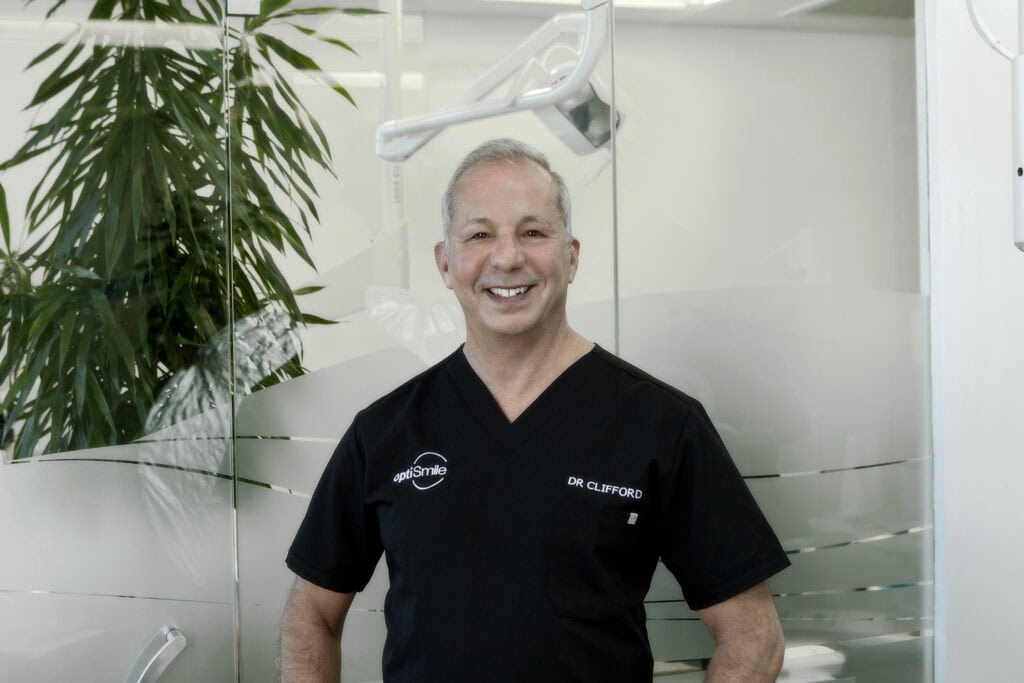
This episode of Save Your Money, Save Your Teeth podcast introduces listeners to the complex issue of dental fear. Co-host Eon Engelbrecht and Dr Clifford Yudelman discuss the widespread nature of dental anxiety and its serious impact on oral health.
The Problem: The Roots of Dental Anxiety
[00:01:02]
Dr Yudelman explains the origins of dental fear, highlighting:
- Personal traumatic experiences from painful past procedures.
- Early childhood experiences shaping long-term fear.
- Indirect influences like negative stories from family and media.
Understanding Patient Concerns
[00:03:34]
Discussion on sensory and emotional triggers that heighten dental anxiety, including:
- The sound of dental instruments evoking discomfort.
- Physical sensations like the gag reflex from a tongue depressor.
- Fear of the unknown and feeling out of control.
Practical tips are shared, such as using a hand mirror to maintain control.
The Solution: Strategies for Managing Dental Fear
[00:08:39]
Dr Yudelman outlines techniques to ease dental anxiety:
- Breathing and relaxation techniques inspired by Oxygen Advantage.
- Clear, step-by-step communication to keep patients informed.
- Conscious sedation options for those with severe anxiety.
Practical Advice and Patient Empowerment
[00:17:38]
Key takeaways on how patients can take control:
- Open communication with the dental team.
- Building trust through transparency.
- A step-by-step approach to ease into dental visits.
Conclusion
[00:25:01]
Dr Yudelman reassures listeners that overcoming dental fear starts with the first step. Listeners are encouraged to subscribe for expert advice and practical strategies for dental well-being.
Transcript
Eon Engelbrecht E-Radio (0:05 – 0:48)
Welcome to Save Your Money, Save Your Teeth, the go-to podcast where curiosity beats dentistry, straight from the experts. I’m Ian and I’m joined by Dr Clifford Yudelman – OptiSmile once again and we are ready to take a deep dive into the world of dental care from a consumer’s perspective. If you’re looking to brighten your smile or simply just protect your wallet, we have got you covered with this podcast featuring practical advice and the latest insights.
So stick around with us and we uncover the secrets to maintaining both your dental health and also your finances. Dr Clifford Yudelman – OptiSmile, welcome back once again.
Dr Clifford Yudelman – OptiSmile (0:48 – 1:01)
Thank you. Thanks for having me back. I’m really looking forward to today’s episode and the next couple of episodes in particular because we’re talking to a very special type of dental patient, aren’t we?
Eon Engelbrecht E-Radio (1:02 – 1:21)
Yes and I think a lot of people, I mean most people, when you hear, you know, they say oh I’m going to the dentist, you know, the face they make, you can just see they they’re scared, you know. When they say I’m going to the doctor, it’s a different face that they make. So I think dental fear is probably more common than we think.
Dr Clifford Yudelman – OptiSmile (1:21 – 1:49)
It is and today we’re going to talk about overcoming dental fear and why people are afraid of the dentist and then we’ve got two more episodes to carry on from there next week and the week after which is just about overcoming this situation, talking more in-depth and then also just about stress-free dental visits. So we’re going to cover the whole thing from beginning to end.
Eon Engelbrecht E-Radio (1:50 – 2:01)
Dr Clifford Yudelman – OptiSmile, why do so many people experience such intense fear or anxiety about going to the dentist in the first place? Is it the needles? Is it the drill?
Why?
Dr Clifford Yudelman – OptiSmile (2:02 – 3:33)
Yeah, that’s a great question. It seems to be very personal when we see patients, if I can think of the last ten patients that I saw that had severe fear, you know, where they delayed visiting the dentist, then they got dental problems and then things got even worse and then they had symptoms like toothache or other problems and then it was like a vicious circle. But it often stems from past traumatic experiences, either personal traumatic experience or interestingly from stories shared by friends and family.
So I always tell people, you know, don’t talk about that terrible root canal experience that you had in front of your seven-year-old because they are listening and you can actually pass on fear. We get kids in that have no reason to be scared of the dentist but yet they’ve heard terrible stories. The clinical environment, the sounds, the feeling of losing control can all heighten anxiety.
Even just not knowing what’s happening can fuel the nerves and just talking about the fear, the feeling of losing control, we’ll probably come back to it a bit later, but a lot of people that are scared of the dentist also have a very bad gag reflex and they just can’t tolerate anything in their mouth. They feel like they’re going to throw up or they get like, they start choking. So this is all related to anxiety.
Eon Engelbrecht E-Radio (3:34 – 3:44)
I actually remember that when the doctor puts that stick on your tongue, your actual house doctor, when he puts that stick on your tongue, that stick that they use for ice cream as well.
Dr Clifford Yudelman – OptiSmile (3:44 – 3:46)
Yes, a tongue depressor.
Eon Engelbrecht E-Radio (3:46 – 3:53)
Yeah, and you start gagging like that and then that taste of that wood and stuff, oh man, that’s terrible. It just brought back some memories. But anyway.
Dr Clifford Yudelman – OptiSmile (3:54 – 5:04)
We don’t do that at the dentist. If we’re taking a mould or we’re taking x-rays, just a quick tip in case I forget to get back to it, but if someone’s very scared of or they got a bad gag reflex, a little trick that I learned from a dental assistant that I was in America for 16 years and was in Australia for 12 years and before I moved to Australia, a couple of years before I moved in the early 2000s, one of the dental assistants said, went and grabbed a little hand mirror and gave it to the patient and said, you know, just hold on to this and look where I’m putting the x-ray in your mouth and keep your eyes open. And the same works if you’re getting a mould taken unless the dentist has an intraoral scanner. So next time if you’re getting an x-ray or a mould taken, ask the dentist to give you a little hand mirror and keep your eyes open and watch what they’re doing.
It breaks that sort of closing your eyes and feeling like you’re going to throw up. It’s a bit different to the stick on the back of the throat. That can make anyone bothered.
Yes, oh my gosh.
Eon Engelbrecht E-Radio (5:04 – 5:15)
But you know, like I remember now that we talk about it, I actually remember it, but how would you say, how do these past traumatic experiences or stories from friends and family actually fuel that fear?
Dr Clifford Yudelman – OptiSmile (5:16 – 7:03)
So these negative stories tend to linger in our mind and they become mental shortcuts. If someone hears about a painful appointment or sees a frightening movie scene, I don’t know if you remember, it wasn’t, there was a movie scene, it was a popular movie when I was growing up. You might not have seen it.
It was a black and white movie and the Nazis torturing the guy by drilling into his nerves and his teeth and that caused a lot of fear in people my age or maybe a little bit older as well. I’ll think of the name of that movie later, but I think it was with Dustin Hoffman and he was in terrible pain. I think that kept people away from the dentist for many years.
It’s not often you hear of people that usually if it’s a negative experience, people will go and tell everyone, but if they went to the dentist and they had a cleaning and it was just gentle and nothing bothered them, they’re not going to go and tell the whole world, I just had my teeth cleaned. It was amazing. It was like getting a manicure or something, although you’d be surprised some people do to go and talk about good things about the dentist.
In fact, so many of our Google reviews, they even surprised me how much people have enjoyed getting certain treatments done and so on, but it’s usually the opposite. If someone has a bad experience or a frightening experience, they’re going to go and tell people and they’re going to talk about that in front of kids and the kids are going to get anxious and that anxiety can build even if their future appointment is completely different. It just piles up.
Eon Engelbrecht E-Radio (7:04 – 7:16)
So now you have a situation where people actually delay treatment for years because of that anxiety and that sort of creates oral health risks, right, over time?
Dr Clifford Yudelman – OptiSmile (7:16 – 8:28)
Yes. Delaying treatment allows small issues like early cavities or mild gum disease to progress into major problems requiring more invasive treatment or even extractions and this can also lead to infections that affect your overall health. We’ve done a few podcasts about that.
So delaying treatment, that’s a big theme in all of our podcasts. This is number 51. We just celebrated 50 podcasts last week and a lot of our podcasts, our theme is save your money, save your teeth.
Stitching in time saves nine is one of the English sayings and prevention is better than cure. The less you have done to your teeth, the better it is, the longer your teeth will last and you don’t want to get over treatment either and anytime there’s something that’s progressive, if you’re scared of the dentist and you leave it for years and years, it definitely will get worse. I don’t want to make you even more scared but that’s the case.
Eon Engelbrecht E-Radio (8:29 – 8:38)
Now, Dr Clifford Yudelman – OptiSmile, what are some practical steps that a patient can actually take to manage that fight or flight feeling when they sit in that dental chair?
Dr Clifford Yudelman – OptiSmile (8:39 – 11:20)
Simple breathing exercises can really help, such as slowly breathing in through your nose and then breathing out through your mouth. I’ve actually done some breath work and listened to a fantastic book called Oxygen Advantage. It’s all about breathing through your nose.
When you take a nice deep breath through your nose like I just did, you know, your body, you’ve got nitric oxide which dilates your blood vessels, it lowers your blood pressure, it helps to slow down your heart rate and there’s other things like distraction techniques, listening to calming music or a podcast for some people that works, although I generally find it’s better if the patient can hear me. I have quite a monotonous, monotone voice and I tend to be a bit hypnotic if I just talk nicely and slowly to the patients and I tell them what’s going on.
I always tell the patients, you know, this is your mouth and you can withdraw consent at any time. If you put your hand up and I don’t stop, then it’s considered assault and that’s something that people should know when they go to the dentist. With anything, there have been cases of consenting adults, you know, having a fun time together and one changes their mind and they say, you know, I don’t want to do this anymore and then it becomes actually assault and it’s the same with a dentist.
If you tell the dentist stop and he’s like, I’m almost done and I’m almost done and you’re not happy with that, you’ve withdrawn your consent and it should be very easy to be able to tell the dentist to stop and you should feel like you’re in full control at all times. You know, telling the dentist how you feel is crucial and it helps us to adapt our approach. I’ve had patients that have caught me by surprise where they’re quite fine when they’re sitting and talking to you and they don’t tell you that they’re scared even though we’ve got it on our questionnaire, you know, how scared are you of the dentist and I’ll get people to rate it out of seven because then you can’t sit on the fence.
You’re either three which means you’re a little bit scared but not that scared or you’re four which means that you’re on the other end, you’re closer to a seven and some people put a seven and, you know, those people you can see the fear in their eyes before they even walk down the hallway towards the chair and the last place they want to sit is in the chair. We have a bench in the room along the window, we’ve got a beautiful ocean view and when the patient walks in and they sit on the bench rather than in the dental chair, you know and you sometimes see a little bead of sweat on their top lip.
Eon Engelbrecht E-Radio (11:21 – 11:21)
That’s me.
Dr Clifford Yudelman – OptiSmile (11:22 – 11:37)
Yeah, same. We’ve discussed it before that you’ve had some bad experiences and I’m sure like when your brother, I think your brother had even worse experiences than that, that I think made you scared of the dentist long before you had your turn.
Eon Engelbrecht E-Radio (11:37 – 11:48)
Yeah. But anyway, any specific strategies that your team at OptiSmile employs to make anxious patients feel a little more comfortable?
Dr Clifford Yudelman – OptiSmile (11:49 – 14:52)
Yeah, so we’ve actually, we’ve been in business this year is 10 years, OptiSmile opened in 2015 and one of the biggest things we create a welcoming environment, there’s nice music playing, the whole team are very empathetic. So many times our Google reviews are all about how nice everyone was and how kind everyone was and how much everybody cares rather than, oh my feeling matched exactly or my crown feels perfect. So much of the time, it’s about this welcoming environment and how they feel about the relationship with the staff and then of course, if you need a little bit more than that, there’s always sedation options which we’re going to talk about in more depth but communication is key.
We explain each step, we use gentle techniques, we take breaks whenever the patient wants, we have all special things, there’s something when we treat kids, it’s called tell, show, do. I first tell you what I’m going to do and then I’ll show you what I’m going to do and then I do what I told you and what I showed you. So by the time you actually experience something, so if I was going to numb you, I first tell you, oh, I’m going to put this numbing cream there up next to your tooth and we’re going to leave it for a few minutes and then I’m going to use a special machine called a wand which is we prefer to use that to numb you rather than giving you an injection with a syringe, then that machine will give you anaesthetic really slowly and if 10 is agony and zero is nothing, a lot of patients will experience a zero or a one. If you feel anything more than that, please stop me right away and so I’ve now told you and then I might show you, I’ll hold up the little cotton pellet with the numbing cream and we’re not going to wave a syringe in front of you but we have this wand which has got a little plastic tubing and it’s controlled by a computer.
The technology I think also is very comforting for the patients. If everything looks like it’s from the last century and things are rusty and not modern, I’ve had quite a few MRIs and CAT scans and that and depending where you go, I’ve even went to a private academic hospital that was part of a government hospital and it was scary, some of those old machines, they still work but you don’t feel like it’s a luxury experience like going to a high-end private clinic.
So the perception is very important but the main thing is the patient knowing that they’re fully in control and then we’re going to talk more about sedation for certain cases later.
Eon Engelbrecht E-Radio (14:52 – 15:02)
Okay and how important would you say is it for patients to communicate their fears openly with you the dentist and what difference does it actually make?
Dr Clifford Yudelman – OptiSmile (15:02 – 15:55)
It makes a huge difference. So right there in our new patient form, I just mentioned that about people rating their fear out of seven. Once we know you’re anxious, we slow things down, we can explain even more.
Our first examination, we spend an hour and a half, so we’ve got plenty of time. We adjust our approach, we make sure you’re fully informed. In fact, for most treatments, we not only explain and show you and show you models and show you pictures, we also send you something called an informed consent which we get you to sign and this is safe for implants or extractions, root canals, injection moulded, composite.
For simple fillings or a cleaning, we don’t do that but this openness builds trust and it in turn reduces fear.
Eon Engelbrecht E-Radio (15:56 – 16:03)
And could you maybe share a success story of someone who overcame severe dental fear and how it changed their life?
Dr Clifford Yudelman – OptiSmile (16:03 – 17:37)
Yeah, I mean, sure. Almost every other day, one of us in the practise sees a patient who hasn’t been to the dentist in over 10 years and in some cases where it’s severe, we do carefully planned sedation. In cases like that, it could be where we bring in an anaesthetist, a hospital trained anaesthetist or they basically a doctor that’s trained to actually put people to sleep completely.
In the practise, we don’t put people completely to sleep. We use conscious sedation which we’re going to talk about and after a few visits where the patients don’t remember anything and it goes really well and they’ve regained their confidence, they can even go to much lighter sedation where they just take a Xanax, a Xanor, a generic is called Alprazolam and it just takes the edge off. And eventually, a lot of these patients, they’ll come in happily with a big smile on their face, they come to checkups regularly, their health is drastically improved, it’s totally life-changing.
They actually turn out to be the happiest and the friendliest patients because they remember how scared they were before and now it’s like they don’t even know why they were so worried. It’s obviously not always like that but so many times that’s how it works out which is amazing. It’s such a nice feeling when you’re able to help people like that.
Eon Engelbrecht E-Radio (17:38 – 17:46)
Yes, absolutely. And what are the most common misconceptions that people have about dental visits that might actually feed into their anxiety?
Dr Clifford Yudelman – OptiSmile (17:47 – 19:02)
So one misconception is that every visit will be painful or that the dentist’s primary goal is to lecture them. So that’s a big thing. Is there any dentist listening to this?
So when a patient feels like they’re not in control and you talk down to them in a very, I think they call it a paternalistic approach. You really have to floss your teeth, it’s disgusting, why are your gums bleeding? I told you last time, don’t do that.
You start feeling like a child and that brings on this sort of childhood type anxiety where you feel out of control. It ties in with other types of anxieties and lecturing people. So we use something at OptiSmile called co-discovery and co-diagnosis.
We actually look at the x-rays with the patient and we talk them through it. We look at photos, we look at scans. This is long before we even look in their mouth.
You can come to me for an hour and a half consultation and we probably only use the last 10 or 15 minutes to look in your mouth. Everything else is done outside of your mouth from scans and things like that.
Eon Engelbrecht E-Radio (19:02 – 19:11)
Doctor, how do you strike a balance between addressing a patient’s fears and then also ensuring that you still complete the necessary treatments?
Dr Clifford Yudelman – OptiSmile (19:12 – 21:19)
So we plan extra time for anxious patients. I take it for granted that no one loves the dentist. So for instance, if you’re coming to me and I’m doing a filling on the lower, on the lower, you always say the lower left, let’s just say it’s on the lower left, like second from the back, your six-year molar has got an old filling that needs replacing and you have a bad memory of what it felt like when you had it done at maybe age eight or nine and it was sensitive and they didn’t take enough time to numb you. Once that tooth is numb and you’re there and your mouth is open and I’m going to now take out the old filling, clean it up and put a new filling in, the filling itself maybe takes 10, 15, 20 minutes maximum, but I always book an hour for a patient like that. There’s some chat when you come in, five, 10 minutes, there’s explaining how we’re going to numb you, then there’s actual numbing and then we give it a good 10, 15, 20 minutes to get numb.
If you need more numbing, the second time is definitely 100% painless. If you felt a one out of 10 on the first injection and you need a second one, if you’re very scared of needles in general, that’s where sedation might come in or oral sedation, but we pause to explain, we schedule shorter visits instead of a long session or vice versa, depending on the patient and how we feel. A lot of the time, if you’re getting numb, say on the lower left and there’s two or three fillings in that area, we would do what’s called quadrant dentistry where once you take, especially if you’re getting sedation, you don’t want to keep coming in and getting sedated.
If you’re getting a general sedation, a conscious sedation, we might do everything on the top and the bottom left because a sedation can be an hour or two hours and when we wake you up, you’re not actually 100% asleep. You’re responding, you’re breathing, but when we’re done, you feel like you’ve been there five minutes and it’s like nothing ever happened. That’s how we deal with that.
Eon Engelbrecht E-Radio (21:19 – 21:31)
Okay, I like that. If someone listening has major anxiety, but they really need dental care, what would be your top piece of advice for them?
Dr Clifford Yudelman – OptiSmile (21:31 – 24:52)
Just to get in contact, to contact us or your local dentist to communicate your fears before you even step into the office. Sometimes, telling the receptionist that doesn’t always work. In our case, you can book a consultation just to talk, no treatment, no nothing.
We do that all the time for nervous patients. We don’t even have to come to the office. We do it on a Google Meet or a Zoom and we book half an hour.
Sometimes, it even goes over if I’ve got extra time. We explain everything and the patients then often will book that next visit, which is an hour and a half visit. Some people are scared that they’re going to be quoted 1,000, 2,000 Rand or whatever it is and they’re going to walk out and it’s going to cost them 15,000 before they’ve even had anything done.
Look, I’m not saying that that doesn’t happen. We hear stories like that all the time. Not that I want to make people scared of the dentist, but there are cases where a dentist will quote someone for say an exam and just two little x-rays and then you go in and they need to do a panoramic and then they need to do a 3D and then they need to do a scan.
We rather quote a fair bit higher, but it includes everything and that goes a long way to reducing anxiety about payment or being overcharged. We always do exactly what we told the patient we’re going to do. Say you came in and there was a big cavity and next to that, there was another small cavity that wasn’t visible on the x-ray and we need to fill that.
We don’t sit you up and say, oh, that’s going to be another 1,000 Rand or something like that that’s all about trust. You’re going to be really scared to come back for the other side. What are they going to find next time?
Working on that type of thing is very important, but taking the first step is often the hardest part, fear of the unknown that causes an anxiety. There’s a big difference between anxiety and fear. Fear is like you literally facing you walking into the office or the dentist is waving a big needle at you.
That’s fear, but a lot of people just have anxiety. They’re more anxious about having that fear in the first place and so they avoid it. Just take the first step.
Look up Google best dentist near me, read the reviews, see if they offer video consultations. If you’re in the Cape Town area, come and see us or book a video consultation. If you’re overseas and you’re thinking of coming to Cape Town and you’re scared of the dentist, go online.
You can book 24-7. You can book a video consultation. Fill in a new patient form.
Let us know that you’re nervous and we’ll look after you even if it means that we’ve got to bring in an esthetist to knock you out. Next episode, we’re going to be talking about that oral sedation versus conscious sedation.
Eon Engelbrecht E-Radio (24:53 – 25:01)
Looking forward to it. Dr Clifford Yudelman – OptiSmile, thank you so much. That’s another great addition of Save Your Money, Save Your Teeth and looking forward to next week.
Dr Clifford Yudelman – OptiSmile (25:01 – 25:05)
Thank you. Me too and have a great week and we’ll see you next week.
Eon Engelbrecht E-Radio (25:05 – 25:33)
You too. Thank you, doctor. That’s Dr Clifford Yudelman – OptiSmile and remember while we strive to provide valuable insights, always consult with your own professional for advice tailored to your personal health. Also, don’t forget to subscribe for more enlightening discussions. Join us again next time as we continue to explore the fascinating intersection of dental health and financial savvy. Until then, keep smiling and taking great care of your teeth.
[Announcer] (25:54 – 26:39)
Discover the world of dental excellence with OptiSmile. Join us for a weekly podcast featuring Dr Clifford Yudelman – OptiSmile, a seasoned expert with 40 years of dental experience across four continents. Gain unique insights and expert dental advice by visiting OptiSmile.co.za for articles that illuminate the path to optimal oral health. If you’re seeking unparalleled dental care in Cape Town, get in touch with OptiSmile or book directly online on OptiSmile.co.za. OptiSmile, where global expertise meets local care.
Disclaimer: The content provided in this podcast, “Save Your Money Save Your Teeth” on Medical Mondays, is for informational and educational purposes only. It is not intended to serve as dental or medical advice. The insights and opinions expressed by Dr. Clifford Yudelman and any guests are designed to foster a better understanding of dental health, preventive measures, and general well-being, but should not be interpreted as professional dental or medical recommendations.Dr. Clifford Yudelman does not diagnose, treat, or offer prevention strategies for any health conditions directly through this podcast. This platform is not a substitute for the personalized care and advice provided by a licensed dental or healthcare professional. We strongly encourage our listeners to consult with their own dental care providers to address individual dental health needs and concerns.The information shared here aims to empower listeners with knowledge about dental health but must not be used as a basis for making health-related decisions without professional guidance. Your dental care provider is the best source of advice about your dental and overall health. Please always seek the advice of your dentist or other qualified health professionals regarding any questions or concerns about your dental health.