Chapters
Introduction
[00:05 – 00:48]
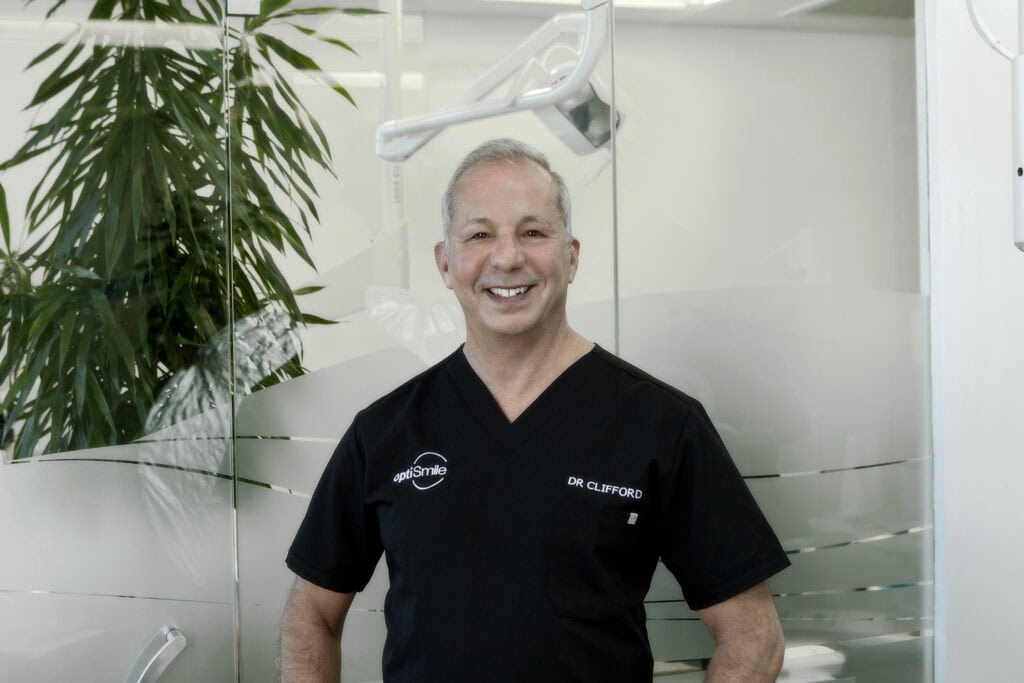
Eon Engelbrecht welcomes listeners to Save Your Money, Save Your Teeth alongside Dr Clifford Yudelman. They discuss how silent acid reflux can erode enamel and why early detection matters.
Understanding Acid Reflux Without Symptoms
[01:43 – 04:23]
Silent gastro-oesophageal reflux can occur during sleep without heartburn. With stomach acid as low as pH 1.5, enamel demineralisation happens quickly, especially when saliva flow is reduced at night.
Tooth Surfaces Most at Risk
[04:29 – 05:12]
The inside (palatal) surfaces of upper teeth, biting surfaces of molars—especially lower molars—and gumline areas are most prone to erosion, often showing “cupping” or smooth craters.
Distinguishing Reflux Erosion from Other Wear
[05:20 – 06:41]
Reflux erosion produces rounded, glazed teeth, unlike grinding (flat shiny surfaces) or over-brushing (V-shaped gumline notches). A patient’s symptoms and history help confirm the cause.
Warning Signs at Home
[07:34 – 08:49]
Watch for a sour or metallic taste in the morning, thinning or translucent tooth edges, yellowing as enamel thins, and new sensitivity—especially behind upper front teeth.
Confirming Reflux Erosion in Clinic
[08:57 – 10:32]
A 90-minute digital consultation includes 3D scans, time-lapse comparisons, and intraoral photos to track enamel loss. Patients are often referred to a gastroenterologist for further evaluation.
Link with Eating Disorders
[10:45 – 11:15]
Frequent vomiting in conditions like bulimia exposes teeth to the same damaging stomach acid as reflux, often leading to severe erosion.
Lifestyle & Diet Changes
[11:35 – 13:04]
Eat earlier, avoid lying down after meals, limit acidic/carbonated drinks, sip water after acidic foods, elevate the bed head, maintain a healthy weight, and avoid tight clothing.
Strengthening Enamel Beyond Brushing
[13:22 – 14:28]
Chew sugar-free gum to stimulate saliva, rinse with water after acid exposure, and use tooth mousse (CPP-ACP) overnight to remineralise enamel.
When to See a Gastroenterologist
[14:34 – 15:41]
Refer when erosion persists despite prevention, or with symptoms like chronic cough, throat irritation, acid taste, failed OTC remedies, or cancer risk factors such as smoking.
Restoring Eroded Teeth Conservatively
[15:48 – 16:42]
Treatments include injection-moulded composite, resin-bonded overlays, minimally invasive onlays, and protective night guards, avoiding aggressive drilling.
Top Tip for Prevention
[16:52 – 17:53]
If you wake with a sour taste or sensitivity, see your dentist promptly for an erosion assessment and possible gastroenterologist referral. Early detection helps prevent irreversible damage.
Closing Remarks
[18:36 – 19:27]
Listeners are encouraged to book a 90-minute digital consultation with scans, X-rays, and a tailored plan to protect enamel.
Transcript
[Eon Engelbrecht – E-Radio-SA] (0:05 – 0:48)
Welcome to Save Your Money, Save Your Teeth. It's Eon with you as always and today, as
always, I'm joined by Dr Clifford Yudelman from OptiSmile, and we are here once again to
bring you the podcast where curiosity meets dentistry, and it's straight from the experts.
Ready to take a deep dive into the world of care, especially from a consumer's perspective,
and today Dr Clifford Yudelman uncovers how acid reflux, often silent, can wear away your
enamel and why this matters even if you don't feel the heartburn, and also how to protect
your smile. Let's get started, but firstly let's welcome Dr Yudelman. How are you, Dr
Yudelman?
[Dr Clifford Yudelman – OptiSmile] (0:48 – 1:31)
Hi Eon, I'm feeling great, very happy to be back on the podcast. Number 73 this time, so
great subject. This is something that we see actually pretty often at the practice, or in dental
practice, and it's often undiagnosed, so you know it's a silent culprit.
A lot of dentists, if they haven't had the training or are not really trained, do not look out for
this, and it's something that I bring up often to patients, and it turns out that we help them in
more ways than just with their teeth, so the questions today I think will uncover a lot of
interesting information.
[Eon Engelbrecht – E-Radio-SA] (1:32 – 1:42)
Definitely, and I want to start off by asking you, how does acid reflux actually lead to dental
erosion even when the patients don't experience the typical symptoms?
[Dr Clifford Yudelman – OptiSmile] (1:43 – 4:23)
The symptoms we're talking about are gastro-oesophageal reflux disease, known as GERD,
which almost sounds like you burping. Up to 60% of people with dental erosion have got
silent GERD, or silent gastro-oesophageal reflux disease, where the acid regurgitation
occurs without heartburn. So people who have heartburn know that they've got heartburn
because it's bloody sore, but these are the types of people we're talking about who
regurgitate acid into their mouth usually in their sleep, which we'll come up with now, and
they're not aware of it. So the stomach acid that comes up is, I know it sounds gross, I hope
nobody's eating while they're listening to this, but the pH, we've spoken about pH before
when we speak about cavities and diet and dental erosion, but anything with a pH below 7 is
acidic. So 5.5 is the cut-off: with something of a pH of 5.5 or 4.5, or lemon juice which is like
a 3, you're starting to get more and more acidic in, you know, logarithmic fashion: it literally
goes up tenfold each time. A 3 is a lot more acidic than, say, a 5.
So you can imagine stomach acid has got a pH as low as 1.5. That would burn your eyes, I
mean it's very strong acid, and as soon as it touches the tooth it demineralises or melts the
tooth. It dissolves your hydroxyapatite crystals, which is what your teeth are made up of,
called hydroxyapatite, calcium and phosphate and fluoride etc. Night-time reflux is especially
harmful because you've got reduced saliva flow during your sleep, and then the acid just sits
on the teeth, and frequent low-level regurgitation, which is common in obesity or pregnancy,
can also accelerate enamel loss without any obvious symptoms.
So we'll see that in patients who've had multiple pregnancies, someone who's had three or
four children in a row and had this regurgitation, or even morning sickness which is another…
we did speak about these things before, but it's a similar process.
[Eon Engelbrecht – E-Radio-SA] (4:24 – 4:29)
Okay, and which tooth surfaces are most vulnerable to the stomach acid?
[Dr Clifford Yudelman – OptiSmile] (4:29 – 5:12)
Normally it's the palatal surfaces of the upper teeth, the inside surfaces of your upper teeth,
because the acid comes up and it sits on those back molars and even behind your upper
front teeth. Then the biting surface of your molars, especially your lower molars, will show
wear where the acid pools up on the floor of the mouth during these reflux episodes, and
then also gum line areas can erode. Then you get progressive erosion, or it's called cupping
of the cusps, like a smooth glossy appearance on the enamel where instead of points you've
got these little craters in the top of the teeth.
[Eon Engelbrecht – E-Radio-SA] (5:13 – 5:19)
All right, and is there any way that we can distinguish acid reflux erosion from other types of
tooth wear?
[Dr Clifford Yudelman – OptiSmile] (5:20 – 6:41)
Yeah, for sure. Erosion from reflux makes your teeth look sort of rounded and glazed,
whereas attrition, which is tooth wear from grinding your teeth, shows sharp, flat surfaces
that are sort of shiny, where the bottom molar and the top molar have a flat surface that
meet, whereas sometimes with erosion the back teeth are melted to the point where the
back teeth are not even touching. Abrasion from brushing looks like a V-shaped notch at the
gum line, which is unlike acid erosion which is much broader and more shallow, sort of more
dished out. Then also we spoke at one point about abfractions, which are from clenching
and grinding; they also look more like V-shaped notches at the gum line. This kind of erosion
is a bigger surface of the tooth, and you get a combination of these, which is reflux plus
grinding, which is even worse. Then the patient's history: so linking symptoms of acid taste,
the people that complain, they come in and say, oh, I wake up with like an acid taste in my
mouth or a croaky, like a hoarse voice. You know, one patient came in, he said when I wake
up I'm feeling a little horse and I said, don't worry, I won't report you to the SPCA. I'm not
sure if we can leave that one in, but why not.
[Eon Engelbrecht – E-Radio-SA] (6:41 – 6:45)
Yeah, absolutely, as long as we don't reveal it to his wife.
[Dr Clifford Yudelman – OptiSmile] (6:45 – 7:06)
Oh, you like my jokes. It's great, I love it. The other day I woke up feeling a little horse.
Yeah, I won't repeat that bad joke. So if a patient says that to me, then I try and keep a
straight face and say, oh, maybe you've got acid reflux.
[Eon Engelbrecht – E-Radio-SA] (7:07 – 7:24)
Okay, all right, very interesting. I just learned something there. I didn't know that you could
actually tell it apart and actually see what kind of tooth wear you have.
You know whether it is acid reflux erosion or something else. That's very interesting to know.
[Dr Clifford Yudelman – OptiSmile] (7:24 – 7:26)
Yeah, well I mean I've been doing this 42 years. I'm getting the hang of it. Yeah, exactly.
[Eon Engelbrecht – E-Radio-SA] (7:27 – 7:34)
I also want to ask you, what warning signs should our patients look out for at home?
[Dr Clifford Yudelman – OptiSmile] (7:34 – 8:49)
If you get new sensitivity to cold or sweet foods, especially behind your upper front teeth… I
think there'd be other symptoms before that one comes along, but if it's something new and
all of a sudden the back of your front teeth, which is a very unusual place to have erosion,
starts getting eroded, unless you're eating too many lollies or granadilla lollies on Clifton
Beach. That will also get behind your upper front teeth and erode those.
We have done podcasts about that type of stuff, so I'll stick to the subject. But one of the
things is a persistent sour or acidic taste in the morning when you wake up. That's often
what people complain of, because they think of the dentist: like something's going on.
It tastes like metallic or sour. When the teeth start getting thin and more translucent or see-
through at the tooth edges, that could be a telltale sign because the teeth are kind of melting
and they're getting thinner and thinner. And then as the enamel gets thinner, the dentine
underneath is more yellow, and patients will come in and say, oh, my back teeth look more
and more yellow. And then you look, and a lot of the enamel is already gone and they're
already down into the dentine.
[Eon Engelbrecht – E-Radio-SA] (8:49 – 8:57)
Okay, and how do we confirm reflux-induced erosion in the clinic? Can you tell us about your
process?
[Dr Clifford Yudelman – OptiSmile] (8:57 – 10:32)
Obviously, we do a one-and-a-half-hour digital clinical exam. We document the location and
the severity of any erosive lesions or erosions. We take intraoral photographs, and we used
to do study models.
But these days it's a 3D scan, and we can do what's called a progress… not a progress
scan; they call it time-lapse on the Invisalign iTero. We superimpose one scan digitally with
another, and then it shows up like a heat map: you've got yellow, green, red. You've got
different areas with a scale, and we can see how much of the tooth is missing over a period
of, say, a year. If any: maybe it's previous loss and the patient has had treatment and they
no longer have further loss. Then we refer patients to a gastroenterologist to have a
gastroscopy.
It's very important to see a gastroenterologist for a colonoscopy when you get to, I believe,
when you get to 40, because colon cancer is very preventable if you get a colonoscopy
when you're supposed to, and you have polyps; they remove them. Those polyps turn into
cancer, as far as I know.
A lot of patients don't think to also get a gastroscopy, which is where they put a pipe down
the other end and just check those valves and everything in your stomach. You don't have a
stomach ulcer. So yeah, it would definitely be a gastroenterologist that would be the best
doctor to help with this kind of issue.
[Eon Engelbrecht – E-Radio-SA] (10:32 – 10:44)
I'm just thinking now, I don't want to go off topic, but I'm just thinking, you know, often they
talk about models and models with eating disorders and then they say they don't have any
back teeth left. Is this because of all the acid?
[Dr Clifford Yudelman – OptiSmile] (10:45 – 11:15)
Yes, that's the same thing, and that actually gives me a good idea for a podcast we can do,
especially on bulimia and diet and maybe some other issues similar. So I'll pencil that one
down.
Awesome. We have spoken about pregnancy and how morning sickness… we've spoken
about acid, but I've never heard that about models not having back teeth. But that would be
from bulimia, where people make themselves vomit.
Absolutely.
[Eon Engelbrecht – E-Radio-SA] (11:15 – 11:35)
It's the same really as having reflux. The stomach acid shouldn't be there. I guess if it's a
longstanding thing, it would definitely erode your teeth.
Okay, so now we're talking about diet and lifestyle. What changes can best mitigate acid
exposure to the teeth when it comes to your lifestyle and your diet?
[Dr Clifford Yudelman – OptiSmile] (11:35 – 12:35)
I would try to eat as early as possible. You don't want to lie down within two hours of eating.
Eating fried and fatty foods definitely can make it worse.
You want to limit your acidic foods and drinks like citrus fruits, and adding insult to injury if
you really have damage and problems from acid, you want to really avoid any carbonated
drinks. Coffee can be acidic.
You want to sip on some water after you eat or drink these acidic foods. You can elevate the
head of the bed a little bit. Put a couple of bricks underneath the back part of the bed.
Not all four. It's not for the tokoloshe in this case. When I grew up, I was very scared of the
tokoloshe.
My nanny… I was brought up in Johannesburg in the 60s and 70s, and my nanny always told
me the tokoloshe was going to come and get me if I didn't behave. It worked. I just put my
bed on bricks.
[Eon Engelbrecht – E-Radio-SA] (12:35 – 12:39)
You actually had your bed on bricks? Oh my gosh. I can't believe it.
[Dr Clifford Yudelman – OptiSmile] (12:39 – 12:48)
No, no. Are you joking? I don't think I'm not being politically correct.
It's a true fact. It actually happened. Yeah.
Yeah.
[Eon Engelbrecht – E-Radio-SA] (12:48 – 12:52)
Okay. Well, that's very interesting. We learn something new every day.
[Dr Clifford Yudelman – OptiSmile] (12:52 – 12:59)
All right. In this case, you just put blocks of wood behind the back part of the bed.
[Eon Engelbrecht – E-Radio-SA] (12:59 – 12:59)
Yeah.
[Dr Clifford Yudelman – OptiSmile] (13:00 – 13:02)
I've never tried it, but apparently that helps.
[Eon Engelbrecht – E-Radio-SA] (13:03 – 13:04)
All right.
[Dr Clifford Yudelman – OptiSmile] (13:04 – 13:13)
Obviously, keeping a healthy weight and avoiding very tight clothing that increases the
pressure in your stomach, that could help.
[Eon Engelbrecht – E-Radio-SA] (13:14 – 13:22)
Okay. And then, which preventative measures beyond brushing now help strengthen enamel
against acid, Doctor?
[Dr Clifford Yudelman – OptiSmile] (13:22 – 14:28)
A lot of dentists might use high-fluoride varnishes or gel, professionally applied fluorides. I
don't, in our practice, do a lot of that. I think chewing sugar-free gum can, with calcium and
phosphate… there are some special gums.
But even just chewing a bit of sugar-free gum can reduce the acid in your mouth. Rinsing
with neutral water after any exposure to acid. And then there's something special: it's casein
phosphopeptide-amorphous calcium phosphate, CPP-ACP. Try and say that fast. But
basically, that's that Tooth Mousse that we've spoken about before as well.
Tooth Mousse, or MI Paste. And for me, that's the main one instead of all the other things I
mentioned above. You rub some of this on your teeth before you go to bed, then you swish it
as well, then you spit out and you leave it on your teeth. And that hardens your teeth. It's like
a conditioner for your teeth. And that will harden your teeth. It's made from casein, which is a
byproduct when they make yoghurt or cheese.
[Eon Engelbrecht – E-Radio-SA] (14:29 – 14:34)
Dr Yudelman, when is it appropriate to refer a patient to a stomach doctor?
[Dr Clifford Yudelman – OptiSmile] (14:34 – 15:41)
A stomach doctor or stomach specialist is a gastroenterologist. If you're seeing persistent
enamel erosion despite optimal dental preventive measures, reports of acid, the acid taste,
chronic cough, throat irritation, if you wake up feeling a little hoarse, failure of over-the-
counter antacids… if you're using antacids and they're just not working, you might need
prescription medications. And if you change lifestyle habits, like I mentioned before, eating
late, eating fatty foods right before bed, all the things we mentioned.
You know, I think these are all risks for something called oesophagitis, which is related to
something called Barrett's oesophagus. And you can actually get cancer of the oesophagus
or of the stomach, like where that little valve is, if this carries on for years and years,
especially in smokers. So it's not just about your teeth. This is about your health.
[Eon Engelbrecht – E-Radio-SA] (15:42 – 15:48)
And Dr Yudelman, is there any way to restore eroded teeth conservatively and effectively?
[Dr Clifford Yudelman – OptiSmile] (15:48 – 16:42)
Yeah, so that's what we're all about at OptiSmile, using very conservative treatments. So
we've spoken about injection-moulded composite, that could work well; resin-bonded
composite overlays or, in today's day and age, coming soon is 3D printed… we're just waiting
for the materials, but injection moulding works really well. And then minimally invasive
onlays, like with the CEREC; we speak about onlays.
I wouldn't start going and having crowns on all of those back teeth. So an onlay would be in
a severe case, but normally some bonding or injection moulding will work well. And then
using a bite plate at night to protect the rebuilt surfaces from any wear.
And then coming to see the dentist at least every six months, if not every three or four, just to
keep an eye on everything.
[Eon Engelbrecht – E-Radio-SA] (16:43 – 16:51)
And then finally, Dr Yudelman, what is your single best tip for patients worried about acid
reflux-related tooth wear?
[Dr Clifford Yudelman – OptiSmile] (16:52 – 17:53)
So if you wake up with a sour taste in your mouth and you notice any sensitivity, don't wait,
see your dentist for an erosion assessment. Maybe ask for a referral to a gastroenterologist.
What I love about being in South Africa, I've been back here 10 years, you don't have to get
your GP to send you to a specialist.
Generally, specialists will see you on a self-referral. So you could find a gastroenterologist
yourself. I'm probably not giving the best advice because normally the gastroenterologist will
then want to send a report to your GP, and if you don't have one, well, then they're going to
be looking after you directly, which in some cases is not a bad idea.
And early detection helps us to protect your enamel before you have more irreversible
damage. So see your dentist, brush your teeth twice a day and see your dentist every six
months. I think that's how the jingle goes.
[Eon Engelbrecht – E-Radio-SA] (17:54 – 18:04)
And yes, that's it for another week's Save Your Money, Save Your Teeth. Dr Yudelman, thank
you so much for joining us and for sharing all your knowledge with us.
[Dr Clifford Yudelman – OptiSmile] (18:04 – 18:36)
Thank you so much, and looking forward to seeing you next week. We've got a great subject
tomorrow. We often get people mention things about your biome, which is the bacteria that
live in your body.
And so if you're interested in microbiome or biome or anything to do with bacteria, and you're
one of these people that eats sauerkraut and drinks kimchi and all of that, then maybe next
week will be one for you.
[Eon Engelbrecht – E-Radio-SA] (18:36 – 19:27)
Looking forward to it. Thanks, Doctor. And remember, if you suspect that acid reflux is
harming your smile, you can book a 90 minute digital consultation with the detailed scans, X-
rays and a tailored plan at OptiSmile to diagnose and protect your enamel.
Just visit OptiSmile.co.za, or you can send a WhatsApp to 071-140-0396. We'll keep those
details in the description of the podcast as well. And also to our listeners, thanks for joining
us.
Remember to like and subscribe. And remember, while we strive to provide valuable
insights, always consult with your own dental professional for advice tailored to your
personal health. Until next time, keep your smile strong.
[Eon Engelbrecht – E-Radio-SA] (19:48 – 20:33)
Discover the world of dental excellence with OptiSmile. Join us for a weekly podcast
featuring Dr Clifford Yudelman, a seasoned expert with 40 years of dental experience across
four continents. Gain unique insights and expert dental advice by visiting OptiSmile.co.za for
articles that illuminate the path to optimal oral health. If you're seeking unparalleled dental
care in Cape Town, get in touch with OptiSmile or book directly online on OptiSmile.co.za.
OptiSmile, where global expertise meets local care.
Disclaimer: The content provided in this podcast, “Save Your Money Save Your Teeth” on Medical Mondays, is for informational and educational purposes only. It is not intended to serve as dental or medical advice. The insights and opinions expressed by Dr. Clifford Yudelman and any guests are designed to foster a better understanding of dental health, preventive measures, and general well-being, but should not be interpreted as professional dental or medical recommendations.Dr. Clifford Yudelman does not diagnose, treat, or offer prevention strategies for any health conditions directly through this podcast. This platform is not a substitute for the personalized care and advice provided by a licensed dental or healthcare professional. We strongly encourage our listeners to consult with their own dental care providers to address individual dental health needs and concerns.The information shared here aims to empower listeners with knowledge about dental health but must not be used as a basis for making health-related decisions without professional guidance. Your dental care provider is the best source of advice about your dental and overall health. Please always seek the advice of your dentist or other qualified health professionals regarding any questions or concerns about your dental health.