Eon Engelbrecht – E-Radio-SA (0:03 – 0:44) Welcome back to Save Your Money, Save
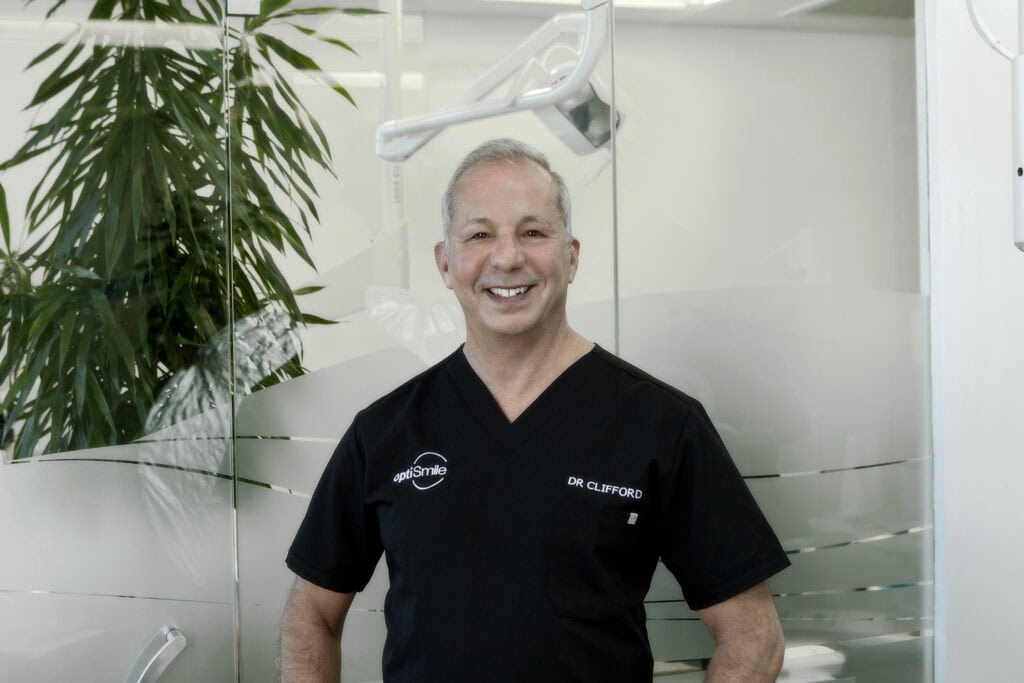
Your Teeth here on eRadio with myself Eon and also from OptiSmile Dr Clifford Yudelman.
Today we're looking at one of the most important yet most misunderstood stages of dental
health and that's the very first years of life. Baby teeth might look small and temporary but
they play such a crucial role in a child's development. So joining us is Dr Clifford Yudelman
from OptiSmile to talk about what parents should know between birth and age three to
prevent problems and also protect their child's smile and save money in the long run.
Welcome back doctor.
Dr Clifford Yudelman – OptiSmile (0:45 – 0:54) Thank you, thanks for having me back and
looking forward to answering a few questions today about toddlers and baby teeth and oral
health.
Eon Engelbrecht – E-Radio-SA (0:54 – 1:02) I have a funny question here for you, our first
one. Why do baby teeth matter if they're going to fall out anyway?
Dr Clifford Yudelman – OptiSmile (1:04 – 1:48) That's a good question. Baby teeth are far
more important than most people realise. They guide the growth of the jaw, they help with
speech and they allow toddlers to chew properly which affects overall health and research
shows that children who get decay in their baby teeth are much more likely to have dental
problems later. Healthy baby teeth set the foundation for healthy adult teeth. That's very
important, I need to say that again. Healthy baby teeth set the foundation for healthy adult
teeth and at OptiSmile we see this every day. Early problems almost always lead to complex
issues down the line.
Eon Engelbrecht – E-Radio-SA (1:48 – 1:59) That's very interesting. So from what age
should parents start caring for a baby's mouth and what does the science say about when
you can start brushing?
Dr Clifford Yudelman – OptiSmile (1:59 – 3:13) Mouth care starts from birth, you know,
wiping the gums with a clean washcloth or a piece of gauze removes bacteria even before
the first tooth appears. As soon as the first tooth comes through, parents should start
brushing twice a day with a tiny bit of age-appropriate toothpaste. So you look for toothpaste
that says zero to age three and the evidence is clear that early brushing dramatically
reduces the risk of early childhood decay and the earlier the habit starts, the easier it is for
the child to accept brushing as normal. And on that note, don't brush the kid's teeth with your
own toothbrush because you can transfer bacteria from your mouth to the kiddie and
sometimes the baby will even pick up a cavity causing bacteria before the first couple of
teeth are in. So they must have their own toothbrush. Don't give it to them as a little toy to
chew on, you know, they love chewing on things. Rather give them a teething ring or
whatever it is that you would normally do. Keep the toothbrush specifically for brushing their
teeth.
Eon Engelbrecht – E-Radio-SA (3:14 – 3:24) And I've got three B's here for you. Bottles,
breastfeeding and bedtime. What actually causes bottle decay according to the research?
Dr Clifford Yudelman – OptiSmile (3:25 – 4:21) Problem is, I like that, the three B's. The
problem is not the bottle itself, it's sugar exposure during sleep. So when toddlers fall asleep
with milk, so I'll say that again, milk, even milk, even if it's breast milk or if it's formula,
especially juice is probably the worst. The liquid then pools around the teeth and the saliva
flow drops. And then the bacteria on the teeth produce acid for hours and breastfeeding
through the night after the teeth have erupted can also cause decay if brushing is not done.
And the science is very clear. The last thing in a child's mouth before sleep should be water
and freshly brushed teeth. Child definitely shouldn't go to sleep with formula or milk or being
breastfed, you know, throughout the night.
Eon Engelbrecht – E-Radio-SA (4:21 – 4:31) OK, and what does the evidence say about
dummies and even thumb sucking and jaw development in the first three years of your life?
Dr Clifford Yudelman – OptiSmile (4:32 – 5:10) So these habits are generally OK for the
first couple of years. The problem usually starts when it continues beyond age three. Long
term sucking habits can narrow the palate and cause the front teeth to push forward. There
are orthodontic dummies that maybe can cause fewer issues than thumbs. But stopping the
habit between age two and three gives the best long term results. Early stopping means a
lower chance of needing braces later. There's a lot of focus these days on airway dentistry
and one can do several episodes on that. But that's that's my answer there in a nutshell.
Eon Engelbrecht – E-Radio-SA (5:11 – 5:18) And fluoride for babies and toddlers, how can
parents use it safely without actually overdoing it, doctor?
Dr Clifford Yudelman – OptiSmile (5:19 – 6:15) Adult toothpaste has got too much fluoride
in it. So one should get this thing, it's called Oral-B Stages. There's some Curaprox, very,
very good, high quality baby toothpaste. And the tiniest little bit of the age appropriate
toothpaste with the right amount of fluoride for that age, you know, twice a day is safe and
highly effective. You want to make sure that you brush the baby's teeth, that they don't
actually start sucking on a tube of toothpaste. And because if a kiddie gets hold of
toothpaste or just puts their own toothpaste on and eats it off the brush, you can get
fluorosis. And the fluorosis can give you white spots or even brown spots on your adult teeth
when they come in. You know, this is one of the best investments you can make in
preventing decay.
Eon Engelbrecht – E-Radio-SA (6:16 – 6:28) And I also want to ask you, this is probably a
question that many parents want to know, when should a child have their first dental visits?
And is it based on evidence or is it just simply tradition?
Dr Clifford Yudelman – OptiSmile (6:29 – 7:37) So we actually did a whole episode on that.
And, you know, it's strongly evidence-based. The recommendation is by age one or within
six months of the first tooth coming through, early visits reduce the risk of severe decay.
They reduce dental fear and lower treatment costs in the long run. The first visit, you can
listen to that episode. It's very gentle. We just check the teeth. We give guidance mainly for
the mother, give guidance on feeding and brushing and help the child become familiar with
the dental environment. We don't want them confusing us with the doctor's office, which is
where they always go when they either feel sick or get another shot of sorts. And they
always think of the doctor's office as being a place where they get vaccinations and
injections. And so they need to realise that the dentist can be a fun place. They should never
need a filling or an injection. Parents always say they wish they'd come sooner. You know,
sometimes they're worried because of their own fear and they pass it on to the kids. But
really, the kids do so well when you bring them early.
Eon Engelbrecht – E-Radio-SA (7:37 – 7:39) And especially if you are the doctor.
Dr Clifford Yudelman – OptiSmile (7:40 – 8:21) Yeah, I know. And in our practise, we've
also, a couple of other dentists are amazing with kids. The kids always have fun. Yeah. It's
not always, yeah, look, not every dentist is child friendly. Sometimes they may see
begrudgingly that, yes, we see kids, but then do their best to scare them off so they don't
have to do fillings on them or whatever. But there are paediatric specialists. If a young child
of two or three is only got a handful of teeth in and the teeth are already getting soft and
brown or decaying, there's always paediatric specialists that we can refer to.
Eon Engelbrecht – E-Radio-SA (8:22 – 8:28) Doctor, what are the red flags that parents
should never ignore in a zero to three-year-old's mouth?
Dr Clifford Yudelman – OptiSmile (8:28 – 9:05) So white chalky spots, brown stains,
bleeding gums, persistent bad breath for a child that's avoiding chewing on one side. These
can indicate early decay or infection. And problems in baby teeth progress very quickly. So
delaying treatment can lead to pain, sleep issues, and sometimes the need to actually do
sedation. Dentistry where the baby has to be knocked out to do an extraction or a filling,
which is always a pity for it to get that bad. And early action keeps things simple and
affordable.
Eon Engelbrecht – E-Radio-SA (9:05 – 9:14) Can we talk about diet in the toddler years?
What does the research really say about snacks and juices and all those hidden sugars?
Dr Clifford Yudelman – OptiSmile (9:14 – 11:29) Frequency, how frequently these are being
taken in, constant snacking, even on so-called healthy snacks. One of the things to watch
out for are dried fruit. People give their kids dried mango or dried prunes, things like that, or
these like toddler biscuits. And that just keeps the teeth under continuous acid attack. Juice
is terrible. Even when it says no sugar added, it's definitely not recommended. Those juices,
they say no preservatives. They've got a lot of added citric acid or natural preservatives.
Whole fruit is fine, but you don't want to peel a little naartjie, which for people from overseas,
that's like a nectar, a tangerine, and then give the kid a little segment every 10 minutes. And
they're just constantly getting the acidic juice from the apple or the naartjie on their teeth. It's
always best to have structured meals and then water in between, limiting any little packaged
snacks, especially those fruity, tutti fruity flavoured. It says made with real juice. Those
things, all those ultra-process foods, and especially the ones with health claims that say
contains vitamin C or if you see anything in a package that's not a natural food, the kids can
chew on if they're teething. A really good tip is a lot of kids will love eating carrots. You can
peel the carrot, even baby carrots, and those are pretty good. It's not very acidic. Cheese,
especially hard cheeses, you can cut little sticks, trying to avoid ultra-processed cheese and
sort of easy things that you eat out of a little tube full of other rubbish and preservatives. At
OptiSmile, we see a lot of toddlers not with decay, not because of eating sweets, but
because they just eat junk food all day and it's not necessarily the traditional chocolate or
candy bars that you think of.
Eon Engelbrecht – E-Radio-SA (11:29 – 11:36) And doctor, how can the parents prevent
fear of the dentist from such an early age?
Dr Clifford Yudelman – OptiSmile (11:36 – 12:36) So like we mentioned in one of the
previous podcasts that they learn these reactions from their parents. If the parent is calm
and speaks positively about the dentist, the child is much more relaxed. Bringing them in
early for a short fun visit builds comfort and familiarity. Avoid using the dentist as a threat.
Like if you don't brush your teeth, I'm going to take you to the dentist and he's going to pull
your tooth out. We see and hear that a lot. We're talking about pain or injections. Don't talk
negatively about the dentist in front of the kids, even if they're very young. If there's an older
sibling, make sure that they don't tease the child or come home and talk about how they got
a big injection in their mouth and ear gets passed on. When a child feels safe and knows the
environment, then they actually grow up without dental fear, which is always fantastic. They
love coming to the dentist.
Eon Engelbrecht – E-Radio-SA (12:37 – 12:50) Definitely. So doctor, if you had to give
parents a science backed short list of things that save the most money and teeth between
zero and three, what would be your top five?
Dr Clifford Yudelman – OptiSmile (12:50 – 14:22) So definitely number one would be to
brush twice daily with a tiny little bit of age appropriate toothpaste from the moment the first
tooth erupts. And just to add to that one, because we're talking about brushing, so this will
be part of number one. I would say also wiping the gums, get all the milk, keep the gums
nice and clean using a washcloth or a piece of gauze that you can throw away, just a wet
cloth and wiping up under the sulcus, up where the cheeks meet the ridge before the teeth
come in. Never put a child to sleep or to bed with milk or formula or juice, that's number two.
Offer water between meals and avoid constant snacking. I think we can put those two
together, that's number three. Number four, visit the dentist by age one to catch any issues
early. Don't come when they're two or three and they already need a whole bunch of cavities
and we haven't told you about the juice and we haven't told you about the diet, etc. And
number five would be try to stop dummies or thumb sucking as early as possible, but
definitely after age two and before age three. And yeah, all of these simple things are
affordable, practical, they're backed by strong evidence, they prevent pain, they avoid
complex treatment and they help children grow up with healthy, confident smiles.
Eon Engelbrecht – E-Radio-SA (14:23 – 14:38) Yes, certainly. And I think a great foundation
in the first three years can really shape a child's oral health for life. Dr Yudelman, thank you
so much once again for helping us to understand how these small habits can prevent big
problems.
Dr Clifford Yudelman – OptiSmile (14:38 – 15:10) Thank you and thanks for suggesting this
episode to me. I appreciate any episodes that if anyone listening has any questions and they
want to send us an email to OptiSmile at OptiSmile.co.za or send us a WhatsApp. Our
WhatsApp is on the website and in the links to the episodes and tell us what you'd like to
hear about. Maybe we can do an episode.
Eon Engelbrecht – E-Radio-SA (15:10 – 15:39) Excellent. And remember, for more
episodes of Save Your Money, Save Your Teeth, you can listen to us on eRadio SA, Spotify,
Apple Podcasts, or even visit the OptiSmile website. Also remember, while we strive to
provide valuable insights, you must always consult with your own dental professional for
advice tailored to your personal health. So join us again next time. Until then, keep smiling
and taking great care of your teeth.
Announcer (15:59 – 16:43) Discover the world of dental excellence with OptiSmile. Join us
for a weekly podcast featuring Dr Clifford Yudelman, a seasoned expert with 40 years of
dental experience across four continents. Gain unique insights and expert dental advice by
visiting OptiSmile.co.za for articles that illuminate the path to optimal oral health. If you're
seeking unparalleled dental care in Cape Town, get in touch with OptiSmile or book directly
online on OptiSmile.co.za. OptiSmile, where global expertise meets local care.