Introduction
[00:00:06]
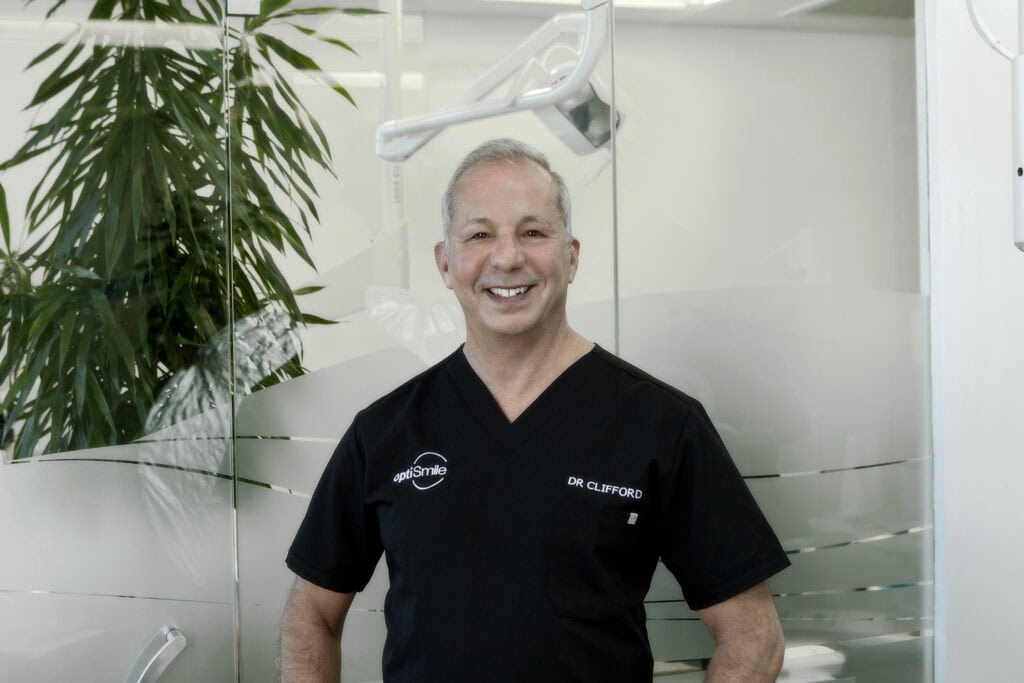
Introduction by Eon Engelbrecht and welcoming Dr Clifford Yudelman
Previous Episode Reflection
[00:00:50]
Reflection on last week’s episode and the humorous moment shared
Purpose of Today’s Episode
[00:01:10]
Clarifying the educational aim of the episode and openness to feedback
Qualifications of a Dental Care Provider
[00:02:11]
Discussing the importance of verifying a dentist’s qualifications
Choosing Based on Location
[00:05:35]
The significance of the dental clinic’s location
Importance of a Range of Services
[00:08:05]
Advantages of a dental clinic offering a comprehensive set of services
Impact of Dental Technology
[00:10:29]
How technological advancements in dentistry benefit patients
Seeking Experienced Dental Professionals
[00:12:45]
The value of a dentist’s experience relative to patient needs
Evaluating a Dentist’s Reputation
[00:15:38]
Indicators of a dentist’s reputation to consider
Affordability vs. Quality
[00:17:10]
Balancing cost concerns with the quality of dental care
Red Flags When Choosing a Dentist
[00:19:19]
Warning signs that may indicate a dentist might not be the right choice
Choosing a Dental Specialist
[00:21:22]
Guidelines on selecting a dental specialist within general practice
Questions to Ask on a First Visit
[00:24:14]
Key questions to evaluate a dental care provider during the first visit
Conclusion
[00:26:49]
Closing remarks and anticipations for future discussions
[00:00:06] Eon Engelbrecht E-Radio-SA: Welcome to save your money, save your teeth. It is the go-to podcast where curiosity meets dentistry, straight from the experts. I’m Eon Engelbrecht, and every week, I’ll be chatting here with Doctor Clifford Yudelman as we take a deep dive into the world of dental care from a consumer’s perspective. So whether you’re looking to brighten that smile or protect your wallet, we’ve got you covered with practical advice and the latest insights. So stick around as we uncover the secrets to maintaining both your dental health and also your finances. Today, we’re talking about choosing your dental care provider wisely. Doctor Yudelman, welcome.
[00:00:50] Dr Clifford Yudelman OptiSmile: Thank you very much. I hope you have had a great week since last week’s talk about prevention. I had a good laugh at the end about “there’s enough potholes in the road…” And I didn’t let you finish the rest of that, but a week later, I’m still laughing about that.
[00:01:09] Eon Engelbrecht E-Radio-SA: That’s awesome. Yeah, I have my moments.
[00:01:10] Dr Clifford Yudelman OptiSmile: Thank you very much. I’m hoping, you know, the advice that I give today or the recommendations that people, you know, listen to it wisely. I don’t want to direct people in one direction or another, but this is purely for education. And some dentists are listening to this because, you know, we’re getting a lot of interest from dentists and not only consumers. I might say things that they don’t agree with. They, they. Welcome to send me an email to clifford@optismile.co.za, you know, don’t report me to the HPCSA or anyone, you know, if you don’t like what I’m doing, you know, let’s discuss it. But I’m here for the consumer. That’s what I want to say. I’m. I’m here for the people listening. I’m not here to protect other dentists. And I’m not here to run them down either. So let’s see let’s see what comes out of today’s podcast.
[00:02:11] Eon Engelbrecht E-Radio-SA: So, doctor, what are the most important qualifications to look for in a dental care provider?
[00:02:19] Dr Clifford Yudelman OptiSmile: Yeah, that’s a great question because the most important qualification is to actually look… If you’re in a big city, you know, and there’s a dentist in practice, and they’ve got a sign and so on and they operating and there are lots of people there, you can pretty much be sure that they are a registered dentist and they’re not practising illegally. But there’s been a number of cases around the world, and even especially recently in South Africa, where the dentist is actually not even properly qualified, or maybe a foreign dentist, or maybe you got someone in the in a back street in town that pulls teeth out for people at half price. I guess ensuring the dentist is accredited means that they actually have a valid license. You can go online to hpcsa.gov. I’m not sure we can put it in the in the link, but you can put in the person’s name and just check that they actually do have a license. You know, we at OptiSmile don’t cater to a lower economic level like that. But we understand, and this is for consumers, all types of consumers and all over the world, they are they are illegal dentists. So I think you must just check that the dentist is registered. On that note, I would also check South Africa. We’ve got the South African Dental Association, I belong. Most of the dentists that work for me do belong.
[00:04:01] Dr Clifford Yudelman OptiSmile: We do have 1 or 2 that think it’s the biggest waste of money sometimes. I mean, if SADA is listening, they must know that I actually sometimes agree with those dentists, but I do think it’s important to belong to your dental association personally. These types of associations have a lot of bureaucracy and so on. But if a dentist belongs to Sada, in our case, I also belong to SAAAD South African Academy of Aesthetic Dentistry. These are things. This is a sort of added, uh, accreditation. You should look, you know, a dentist also, by law, have to do continuing education. So you can look for dentists in their bio on their website; you can see that they’ve been pursuing ongoing education and training in dentistry to stay abreast of the latest treatments and technologies. And, you know, this reflects a commitment to excellence in patient care and then specialisations, which I think we can even do a whole podcast on, depending on your specific needs, whether the dentist has a specific qualification or interest in cosmetic dentistry or orthodontics or periodontics. Orthodontics is straightening teeth, and periodontics is gum disease. You know, there’s a lot of different types of specialists. And, you know, you don’t want to go to a gum specialist if you need tooth straightening. So we should actually make a note and do a podcast just on that.
[00:05:35] Eon Engelbrecht E-Radio-SA: Doctor, how does location play a role in choosing a dental care provider? And why would you say this is significant?
[00:05:43] Dr Clifford Yudelman OptiSmile: So accessibility is important. A conveniently located clinic can make regular appointments less of a burden, especially in emergency situations or if you have a busy schedule. Having said that, at OptiSmile, we now have patients from all over the Western Cape. It’s not always convenient, but sometimes people come in, get a checkup, X-rays, cleaning, and even whitening all in one visit. And then maybe they come back once or twice for any fillings they may need, and then we don’t need to see them for another 6 or 12 months. But other people say that are having Invisalign they need to come back monthly, you know, if they if they live far away, that could be a bit of a burden. If you if you having braces, which we don’t do, we only do Invisalign or clear aligners and it’s a mother of three children and all three children are having braces. You don’t want to be driving in traffic an hour and a half each way just to get an elastic changed or a wire bent. You know, location is important in terms of a dentist who’s well-established in the community.
[00:06:56] Dr Clifford Yudelman OptiSmile: They, you know, if they belong to a local Rotary club, such as in my case, or they’ve been in the community for a long time and they’re involved in different charities in the community and well known. And, you know, people know them, you know, that’s important in terms of location. And for some people, you know, if you’re disabled, if they have wheelchair access, availability of transport and parking, you know, the easier it is for you to get there, the better. You know, we’ve had patients complain. They used to go to another well-established practice near us, and the practice moved, and there was no parking. And we’ve been getting a lot of patients that used to go there because we got four levels of basement parking. And for some people, it’s very important. They don’t want to be driving around and around or parking and walking a few blocks. It’s it’s, um, the location. Sjoe!. I’ve had a lot to say about location. What’s the next question?
[00:08:01] Eon Engelbrecht E-Radio-SA: Location, location, location as they say.
[00:08:05] Dr Clifford Yudelman OptiSmile: Location.
[00:08:05] Eon Engelbrecht E-Radio-SA: Yeah. So how important would you say is it for a dental clinic to offer a wide range of services? And why is this important?
[00:08:16] Dr Clifford Yudelman OptiSmile: So that’s a brilliant question. Especially, um, the way things are going all over the world is you’re getting more and more group dental practices, and what that’s led to is comprehensive care, like a clinic that offers a broad spectrum of services, more holistic care, addressing various dental issues under one roof without needing to be referred all over town. There’s a convenience and time-saving. It saves time and avoids the hassles of visiting multiple specialists at different locations, and continuity of care. If you’ve got a single team that manages all your dental needs, you know there’s better coordination and a deeper understanding of your dental history. So that’s not very common in South Africa. But in Cape Town, there are maybe 3 or 4 other group practices similar to OptiSmile. If you go to just a single dentist, they may not have all of the fancy equipment that a group practice can afford. You know, for instance, a CBCT, which is a fancy x-ray machine that does 3D X-rays. It’s a it’s a 2 million rand machine. If you buy a cheap one, it’s maybe 1.5 million rand. And a single dentist in, in a practice just can’t warrant, you know, having this machine and maybe we’ll refer a patient, you know, every so often for one of those x rays. But as soon as you’ve got 3 or 4 dentists practising together, there is a sort of economy of scale. And, and in, you know, in the case of OptiSmile, if we do a normal panoramic x ray and someone needs a CBCT, we actually take that x ray at no charge.You may pay as much as 3500 rand for an x ray like that. If you’re in a small town and you get referred to an extra place that does those x rays. So. So there is some savings in going to a group practice that has all this fancy equipment.
[00:10:21] Eon Engelbrecht E-Radio-SA: And the doctor, how do advancements in dental technology impact patient care and outcomes?
[00:10:29] Dr Clifford Yudelman OptiSmile: So, like I just mentioned, you know, you’ve got improved diagnostics, advanced imaging techniques for earlier and more accurate detection of dental issues and more timely intervention. Sometimes, I do an X-ray on a patient. And then, I want to do a 3D x-ray. And I always tell them, you know, I’m going to do this x-ray because I want the information on the x ray more than I want your money. So do you mind if I do a 3000 rand x-ray at no charge, and no one’s ever said no, and then we run it through AI? We’ve got, um, something called Diagnocat AI that reads the X-rays. And it really helps us to find problems a lot earlier. You end up with less invasive treatments. You know, modern technology can offer less invasive, invasive treatment options, like injection molded composite bonding. And, you know, if you’ve got a 3D scanner, um, we’ll do a technology podcast, I think, in the future talking about these different technologies. That’s actually a brilliant question. You know, if you need an implant and the dentist doesn’t have a 3D scanner or a 3D X-ray machine, they can’t do guided surgery. You know, take a scan of your teeth. It’s like a 3D mould of your teeth and a 3D X-ray. And then on a computer, we can design exactly the length of the implant and where it needs to go. And 3D printing, we can print a little guide, and you could literally put the implant in with your eyes closed, although I wouldn’t recommend it. And we get better results. You know, I wouldn’t say better results. There are dentists who don’t have any of this, and they’ve been doing amazing work for the last 20 or 30 years. But the innovations in materials and procedures contribute to, you know, in our case, you know, better patient satisfaction. And, we think, a better outcome. We love our advanced dental technology. Our tagline that we’ve now trademarked is “Leading Digital Dentists”. That’s how much we’ve actually embraced dental technology at OptiSmile.
[00:12:38] Eon Engelbrecht E-Radio-SA: What level of experience should a patient seek in a dental professional?
[00:12:45] Dr Clifford Yudelman OptiSmile: Uh, that’s that’s a great question. So, I mean, if you’ve never had a cavity and you, you’ve been going to the dentist and all you need is a clean and you floss your teeth every day and every three years you get x rays and they never find cavities. I mean, you could go to a dentist that’s fresh out of dental school or, you know, just finish their konserve. Um, and they’re working in a medical aid practice. You don’t have to go to, uh, a dentist that’s got years of experience because you’ve looked after your teeth or you haven’t had a lot of problems. But the more complex your mouth is and the and the more dentists you’ve seen in your life that haven’t been able to sort you out, the the better off you are with seeing someone who’s got insights that they’ve gained from a broad spectrum of cases and the diversity of cases handled, you know, experience with a wide variety of dental conditions and treatments. You know,in my case, there’s a lot of things I don’t treat. But at OptiSmile, I’ve done something that they recommend, you know, hire people that are smarter than yourself. And there’s many days that I live vicariously through the treatment that the other dentists in the practice do because, you know, personally, I can’t handle blood.
[00:14:07] Dr Clifford Yudelman OptiSmile: I won’t do an extraction or a deep cleaning or a or a root canal, you know, but I’ve got people that do that, and you need someone that can do the stuff that you need done. TThe other one is like a patient outcome. Look for look for uh, you know, ask people, read Google reviews or testimonials. For me personally I don’t believe in before and after galleries. I’m not saying it’s a scam, but I’ve got a lot of great, you know, after pictures of things that we’ve done that worked out well. But I think even like the HPCSA and, and other dental authorities looked down upon in inciting or inducing people to self-diagnose by showing before pictures and then these great outcomes afterwards. But definitely. Read through. If someone’s got Google reviews, you know, read all of them. Take your time. Just look. Sometimes you can see if if it’s not a genuine review and and that the reviews are are fresh. I think that’s important.
[00:15:20] Eon Engelbrecht E-Radio-SA: And here I thought dentists were not allowed to be scared of blood. That’s very, very interesting.Moving on doctor, in terms of reputation, what would you say should we look out for when we select a dentist? What kind of indicators?
[00:15:38] Dr Clifford Yudelman OptiSmile: So, you know, if you do see a dentist and you think, then you’re unsure, you know, ask your friends, check the HPCSA, make sure that they haven’t actually been struck off and still practising without a license. I think that these days best is Google reviews, if a dentist is on HelloPeter, it can’t be good. Generally people only put really bad reviews on there. Yeah. So you could look at HelloPeter. I think I’ve got three reviews on HelloPeter. And they’re all good. So thank goodness for that. If a dentist has got a few things like they, they belong to SAAAD or SADA, you know, professional endorsements. you know, these days LinkedIn would be a good thing. Just check that they’re friendly with lots of other dentists. If a dentist isn’t on LinkedIn, I think that could be a bit dodgy these days.
[00:16:32] Speaker3: Um.
[00:16:32] Dr Clifford Yudelman OptiSmile: And then transparency and communication, you know,a good reputation for clear, honest communication with patients about treatment options and costs. You know, if every review just talks about the wonderful ocean view or how cheap the dentist was or, or something that doesn’t relate to what it is that you’re looking for, I think. Keep looking.
[00:17:00] Eon Engelbrecht E-Radio-SA: How can patients assess the affordability of a dental care provider without obviously compromising on quality?
[00:17:10] Dr Clifford Yudelman OptiSmile: Oh, that’s a tough question. If cost is your very main concern and you do have medical aid, there are some medical aids. I think there’s something called, you know, GRMS. And then there are different government and police types of policies. There are some medical aids that actually pay providers really well to do good treatment, and they have things in place to to check on the quality. And if cost is your main concern, then I would recommend maybe going within your, your medical aid if you’ve got a complex situation then and you do go privately like if you did come to OptiSmile, I would get quotes up-front, make sure that there’s a transparency that you get upfront quotes and that you can make informed decisions. Before you go ahead with treatment, check with your medical aid. Don’t presuppose they’re going to pay 100% of something or 20% of something. You know, don’t commit to treatment that you maybe can’t afford. In the case of things like Invisalign, some practices like OptiSmile, we have, we have payment plans on expensive treatments like that or pay-as-you-go. You know, if you get an implant placed, you can pay for the implant. And then in 3 or 6 months’ time, when you get the crown, you can pay for the crown. And then also value versus cost. Assessing the long-term value of treatments, such as the durability and the effectiveness, rather than just always going for the cheapest option upfront like don’t go and get your tooth pulled if you can’t afford an implant or the dentist is talking about giving you a really inexpensive bridge, and then that you end up filing down other teeth. I think we probably covered that.
[00:19:04] Eon Engelbrecht E-Radio-SA: Now, doctor, apart from the dead fish in the tank in the waiting room and maybe some screams coming from the next room, any other red flags that might indicate a dental care provider is not the right choice? Any other red flags you could share with us?
[00:19:19] Dr Clifford Yudelman OptiSmile: Yeah. So if a dentist keeps you waiting a long time, I mean, excessive waiting times, either having to wait six months for an appointment, the guy might be the best dentist in town, but if you have got ta wait six months in the meantime, you know your your tooth is hurting. Don’t. Don’t wait too long to see the dentist. If you’re waiting too long in the waiting room, it indicates overbooking or poor practice management. If you’re going on the medical aid, they tend to double book things because a lot of people don’t show up. And so, you know, you kind of get what you pay for there, in general. But they are very well-run medical aid practices. I have a friend in. In Durban that owns 10 or 12 of these practices,and although it’s medical aid, they’ve got a very good reputation and they do a very good job. You know, any kind of pressure to undergo unnecessary treatments, a dentist who pushes for treatments that seem unnecessary or excessively expensive may not have your best interest at heart. Um, and then lack of cleanliness or outdated equipment. If the office is unkempt or you’re worried about the hygiene standards. You know, I would run, you know, that’s a that’s a must, you know, especially after Covid, I don’t know there’s other things you can catch at the dentist, uh, which, uh, you know, that I don’t want to really go there today. Maybe once we’ve done another 50 podcasts and and people are not, like, shooting me out of the water. I think I can do something about that. But. Yeah, if the if the if there’s a dead fish in the tank run.
[00:21:08] Eon Engelbrecht E-Radio-SA: Yeah. I think that’s not a good thing I. And how should a patient approach choosing a specialist. Uh, were you talking about, uh, orthodontist or, uh, periodontist? Uh, within the general practice.
[00:21:22] Dr Clifford Yudelman OptiSmile: You know, generally it’s not a good idea to self-diagnose and go straight to a specialist. We we see a lot of people who who’ve gone their teeth are crooked and they don’t have a general dentist, and they go straight to an orthodontist. And the orthodontist lines their teeth up, as orthodontists do. But the orthodontist hasn’t taken into consideration the wear and tear on the patient’s teeth. I’m talking more in the case of an adult. And then the the patient’s teeth are straight. They’ve straightened up the biting edge, but the gum line doesn’t doesn’t line up. And then they come and see us. And then they need to either have further orthodontic treatment or get gum surgery. And then they’re stuck with getting veneers as opposed to doing it the other way around. I think you need you need someone who who is your main port of call. You need a very good general dentist that knows about all the specialties, and that works hand in hand, that will call the specialist and make the appointment for you, or send you an email and copy the specialist and send all the X-rays and be very specific when they recommend. If you get referred by a dentist to a specialist that they work with, and it’s not just their cousin or their uncle or their friend down the road, you can be sure that they’ve chosen that person because that person makes them look good.
[00:22:48] Dr Clifford Yudelman OptiSmile: And when that person’s done with any specialty treatment, they will send them back to the general dentist to complete any treatment. And then I always recommend to my own patients, you know, if I send you to an oral surgeon to get your wisdom teeth out and for some reason you don’t click with that oral surgeon, or if you need a gum graft and you don’t, you don’t feel happy. It sounds too expensive or you know you want a second opinion if you’re going to be having any kind of surgery or anything, it’s going to take 2 or 3 years to do, you know, by all means, get ask your general dentist for another referral. If you’ve had your X-rays and your scans and everything done and it’s just a question of sending them on. You know, you own your records if you’ve paid for them, even if you haven’t paid for them, you own any records that have been done. And you just ask your dentist to please send my records to this specialist or that specialist or to another dentist. As I say, if there’s something that they’ve done and you’re not happy. Uh, they can’t withhold any of your records pending payment. If you’ve put in a complaint for one reason or another. Um, it doesn’t matter. Your records belong to you.
[00:24:03] Eon Engelbrecht E-Radio-SA: And then finally, what questions, doctor, would you say should patients ask during their first visit in order to evaluate a dental care provider?
[00:24:14] Dr Clifford Yudelman OptiSmile: Oh, brilliant question to end off with. So I think you should ask the questions before you even go to the dentist. And the way to do that is to look through the website. Websites should have FAQs or frequently asked questions. If you go on there, Google page. I forget what it used to be called. Google my business. It’s sort of on the Google Maps. There’s a lot of places where people have asked previous questions, and the dentist should have answered them. I would also check out their social media to see if they’ve done specific reels or educational. If there’s a lot of educational material on their Instagram or Facebook. In fact, we can even do a nice podcast all about that. Um, the pros and cons of using social media for picking a dentist. Um, but if you are at the dentist, uh, you know, treatment options and rationale, ask about different treatment options and why certain recommendations are made so that you can understand the whole the whole treatment plan or care plan fully. Emergency care policy ask about procedures for handling dental emergencies outside of regular office hours.
[00:25:33] Dr Clifford Yudelman OptiSmile: At OptiSmile. If you phone our office after hours and you are a registered patient, we have all of the dentists personal phone numbers on there and we each our patients all have our own our personal number so they can WhatsApp us, you know, even if it’s a simple question. But very few dentists around the world do that. We just that’s the way we roll. And preventive care guidance. Ask for advice on improving your dental hygiene, preventing common issues and look out for them being more about, you know, helping you to help yourself as opposed to like looking in your mouth. Oh, you need three fillings. Make an appointment, you go in, they do the three fillings and they say, okay, come back in six months for a cleaning. You know, if that’s what you’re looking for, then by all means. And if you you’ve got a very low end medical aid and that’s the only thing that time allows for, then maybe consider going out of your plan to to a private dentist and just paying a bit more if you can afford it.
[00:26:37] Eon Engelbrecht E-Radio-SA: And that wraps up another episode of Save Your Money, Save Your Teeth. Dr Yudelman, thank you so much once again for sharing your expertise with us. We really appreciate it.
[00:26:49] Dr Clifford Yudelman OptiSmile: Thanks for your fantastic questions. Uh, you know, I always worry that you’re going to catch me out, but so far, so good. I’ve. I seem to have all the answers. Uh, it doesn’t seem like we’re running out of things to speak about. And I look forward to next week. Thank you so much.
[00:27:07] Eon Engelbrecht E-Radio-SA: Thank you. Yeah, I’ve had a little help with the questions, but I won’t say how. Um, but anyway, also a big thanks to our listeners for tuning in. And also remember, while we strive to provide valuable insights, always consult with your own dental professional for advice tailored to your personal health. And also, don’t forget to subscribe for more enlightening discussions and do join us again next week as we continue to explore the fascinating intersection of dental, health and financial savvy. Until then, keep smiling and taking great care of your teeth.
[00:27:51] Speaker4: Discover the world of dental excellence with OptiSmile. Join us for a weekly podcast featuring Doctor Clifford Yudelman, a seasoned expert with 40 years of dental experience across four continents. Game unique insights and expert dental advice by visiting https://OptiSmile.co.za for articles that illuminate the path to optimal oral health. If you’re seeking unparalleled dental care in Cape Town, get in touch with OptiSmile or book directly online on OptiSmile.co.za. OptiSmile where global expertise meets local care.
Disclaimer: The content provided in this podcast, “Save Your Money Save Your Teeth” on Medical Mondays, is for informational and educational purposes only. It is not intended to serve as dental or medical advice. The insights and opinions expressed by Dr. Clifford Yudelman and any guests are designed to foster a better understanding of dental health, preventive measures, and general well-being, but should not be interpreted as professional dental or medical recommendations.Dr. Clifford Yudelman does not diagnose, treat, or offer prevention strategies for any health conditions directly through this podcast. This platform is not a substitute for the personalized care and advice provided by a licensed dental or healthcare professional. We strongly encourage our listeners to consult with their own dental care providers to address individual dental health needs and concerns.The information shared here aims to empower listeners with knowledge about dental health but must not be used as a basis for making health-related decisions without professional guidance. Your dental care provider is the best source of advice about your dental and overall health. Please always seek the advice of your dentist or other qualified health professionals regarding any questions or concerns about your dental health.