Chapters
Introduction
[00:00:00]
Eon Engelbrecht introduces Dr Clifford Yudelman and dives into the “Independence Years”—ages 3 to 6—when toddlers want autonomy, especially with brushing and snacks. Learn why this age is pivotal for lifelong dental habits and how to manage their oral care.
Why Are Baby Teeth Important?
[00:01:13]
Baby teeth serve vital roles: maintaining space for adult teeth, enabling proper speech, supporting nutrition, and protecting underlying permanent teeth. Losing them too early can lead to crowding and orthodontics later on.
Should Toddlers Brush Their Own Teeth?
[00:04:35]
Children under 7 lack the dexterity to brush effectively. Use the “shoelace test”: if they can’t tie shoelaces, they can’t brush solo. Parents should supervise and follow up after the child’s turn.
The Knee-to-Knee Brushing Technique
[00:06:25]
This gentle, effective method involves laying a child across two adults’ laps or adapting it for solo use. It helps calm toddlers and improves brushing visibility and control.
When to Stop Thumb Sucking or Dummy Use
[00:09:20]
These habits should end between ages 2 and 4. Prolonged use can alter the bite and narrow the jaw. Consider books like *David Decides* or personalised stories to support habit-breaking. If issues persist, seek early paediatric dental advice.
Handling Tooth Trauma
[00:12:45]
If your toddler bumps a tooth, stay calm. Avoid repositioning it yourself. Visit a dentist or go to emergency dental care immediately to prevent further damage.
Do You Need to Floss Baby Teeth?
[00:15:05]
Yes—once the teeth touch, especially molars. Flossing helps prevent hidden cavities and sets up positive habits for adulthood.
Best Snacks to Prevent Cavities
[00:17:00]
Choose low-sugar, saliva-stimulating foods like cheese, yoghurt, nuts, and raw vegetables. Avoid sticky snacks like dried fruit and crackers that cling to teeth. Water between meals is best. More on bad breath and diet here.
Managing Dental Anxiety
[00:19:45]
Avoid scary language and start with “happy visits” to build trust. Early, positive experiences can prevent lifelong dental fear.
Are Sealants Necessary for Baby Molars?
[00:21:20]
Sealants may reduce decay but are not always needed. If your child has good hygiene and no cavity history, they may be an unnecessary cost. Discuss with your dentist during checkups.
What Is a Pulpotomy?
[00:23:05]
A pulpotomy is a baby tooth version of a root canal. It removes the infected part of the nerve while keeping the tooth intact to preserve space for adult teeth. Learn more about root canal treatment.
Outro
[00:25:15]
The habits you set between ages 3 and 6 lay the foundation for a healthy adult smile. Share this episode with fellow parents and join next week for the “Ugly Duckling” years (ages 6–12).
Transcript
[00:00:00]
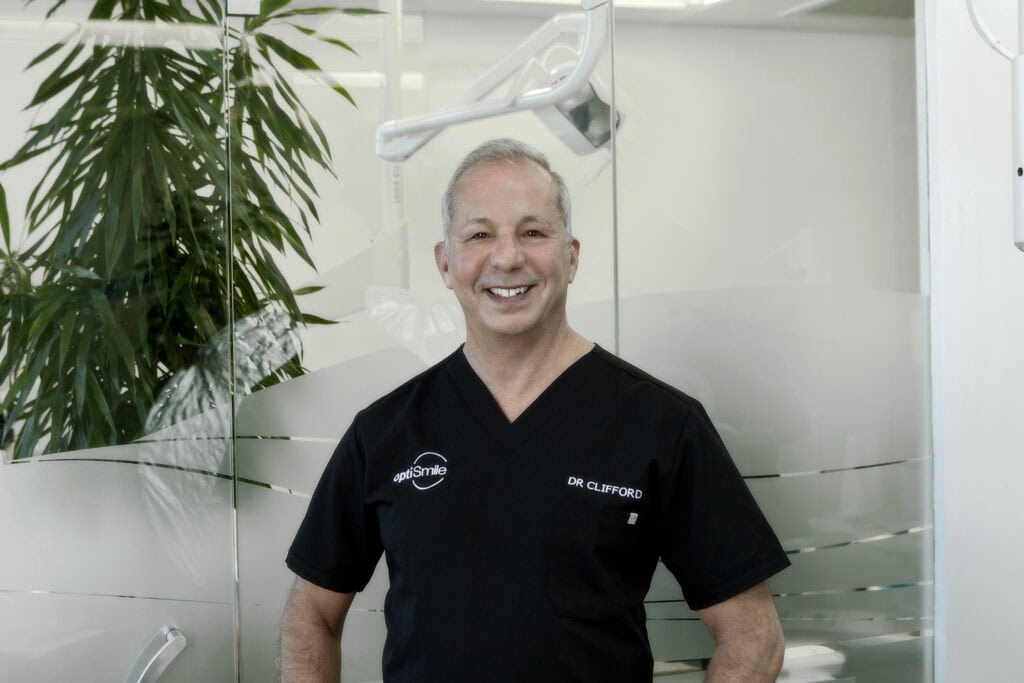
Eon Engelbrecht: Hello and welcome to Save Your Money, Save Your Teeth with me, Eon Engelbrecht, and Dr Clifford Yudelman from OptiSmile. Today we’re talking about toddler teeth, specifically ages three to six: the independence years.
Eon Engelbrecht: Now, this is the stage where kids want to do everything themselves, including brushing, choosing snacks, and sometimes pushing back when it comes to routines. It’s exactly the stage where small habits can either protect a child’s smile for life or quietly set them up for painful problems, and expensive dental work, later on. So, if you’re a parent, a grandparent, or anyone looking after a child in this age group, you want to stay with us today.
Eon Engelbrecht: We’re going to cover the practical stuff you can actually do at home, from brushing and flossing to diet, dummy habits, and what to do if there’s a bump, a chip, or even a fall. We welcome back, for the first time in 2026, Dr Clifford Yudelman from OptiSmile. How are you, Doctor?
Dr Clifford Yudelman: Good thanks, Eon. So great to hear from you. Hope you had a great Christmas and New Year and we’re all ready to go. So, we did up to episode 90 just before we closed for Christmas, and we’re starting on number 91. The last one, if anyone missed it, was 0 to 3, and we’re carrying on. Be sure also to tune in next week where episode 92 is age 6 to 12, and you’ll have to listen to that to know why that’s called the “ugly duckling” phase.
[00:01:13]
Eon Engelbrecht: Oh, I think I know. We’re all ready for baby teeth, let’s do it. So, I want to start off, Dr Yudelman, by asking you: why are baby teeth still important between ages 3 and 6 if they’re actually going to fall out later anyway?
Dr Clifford Yudelman: Yeah, so this is one of the biggest misconceptions in dentistry, and it’s a costly one. People think of baby teeth as practice teeth. Between the ages of 3 and 6, they do a lot of important work for a child’s future oral health and development.
Dr Clifford Yudelman: For a start, baby teeth actually hold the space for adult teeth. If a baby tooth is lost too early because of a cavity or an infection, the neighbouring teeth in front and behind will drift into that space. Later on, when the adult tooth tries to come in, there’s often no room left. That leads to crowding and the need for orthodontic treatment that could have been avoided. So, they maintain the space for the permanent teeth.
Dr Clifford Yudelman: Then there’s chewing and nutrition. Children at this age are developing lifelong eating habits. If they’ve got painful teeth or missing teeth, it can push them towards softer, more sugary junk foods, increasing the risk of obesity and further decay.
Dr Clifford Yudelman: Baby teeth also matter for speech. Certain sounds rely on the front teeth for proper pronunciation. If a kid loses the two front teeth early, when they make the “F” and “S” sounds, it can affect their development.
Dr Clifford Yudelman: And the last one is very important: an infection in the baby tooth can damage the developing adult tooth underneath. That can result in enamel defects, even a brown spot or discolouration on a permanent tooth, and possibly even weaker adult teeth later on. So, looking after baby teeth is one of the smartest ways to save money and avoid treatment later, and it sets the child up for a healthy adult smile.
[00:04:35]
Eon Engelbrecht: So now they come to you and they say, “Mommy, Daddy, I want to brush my own teeth.” Should I let them, or must I still supervise, Doctor?
Dr Clifford Yudelman: Yeah, as you said, independence at this age is wonderful, but when it comes to brushing, you still need to supervise. Children under the age of seven or eight simply don’t have the manual dexterity, the actual capability, to brush effectively on their own.
Dr Clifford Yudelman: That doesn’t mean they shouldn’t brush themselves. It means brushing should be something you do together. Let your child brush first so they feel independent and involved, and then, as a parent, you can go back and do a second brush to make sure the plaque has actually been removed. A helpful rule of thumb is: if the child can’t tie their shoelaces properly, they can’t brush their teeth properly either.
Dr Clifford Yudelman: Young children tend to focus only on the front teeth. They miss the gum line, they rush it, and the plaque that’s left behind, especially near the gums and in between the teeth, is what causes cavities and inflammation. You should use a pea-sized amount of fluoride toothpaste. We’ve done some podcasts about that. Use age-appropriate toothpaste; they have special toothpaste with less fluoride for ages three to six. Brush twice a day with supervision. That really does reduce cavities in this age group, and it will save you a lot of money long-term.
[00:06:25]
Eon Engelbrecht: Now, I believe there’s something called the knee-to-knee brushing technique. How does this help reluctant toddlers, and what is it?
Dr Clifford Yudelman: So, the knee-to-knee technique is one of the best ways to brush young children’s teeth, especially when they won’t cooperate. Paediatric dentists use it a lot because it’s safe and controlled, and the child feels reassured.
Dr Clifford Yudelman: Two adults sit facing each other with knees touching. The child lies back with their head resting on one adult’s lap while their legs rest on the other adult’s lap. You can see everything, and you’ve got gentle control without using force.
Dr Clifford Yudelman: For a single parent, you can do a modified version. If you sit on a bench or a low chair and the child sits facing away from you, their back towards you… their necks are so flexible, they can pop their head back onto your lap. Then, if you’re right-handed, you use your right hand as if you’re brushing your own teeth. It feels very natural. The child feels supported, and they don’t feel held down. You can see the teeth clearly, you can brush along the gum line, and you can finish quickly. That cuts down on the power struggles, because brushing just becomes part of the routine. When parents stay involved in brushing, we see far fewer cavities in young children. You don’t have to be strict. Just be calm and quick about it, at an age when children can’t yet manage their own oral hygiene.
[00:09:20]
Eon Engelbrecht: And then, Dr Yudelman, at what age should thumb sucking or dummy use stop to prevent something like long-term bite damage?
Dr Clifford Yudelman: Most children naturally stop thumb sucking or dummy use between the ages of two and four. Up to that point, the risk of permanent damage is relatively low. Once these habits carry on beyond the age of four, the risk of the bite changing goes up a lot.
Dr Clifford Yudelman: Prolonged sucking habits can cause an open bite, where the front teeth don’t touch, and they can push the upper teeth forward and narrow the upper jaw. These changes can affect speech, chewing, and future orthodontic needs. There’s a big push now regarding “airway dentistry”. I think it’s being a bit oversold, but basically, you need good habits like nose breathing to grow the palate properly.
Dr Clifford Yudelman: How long and how hard they suck matters most. A child who lightly sucks a dummy now and then is very different from one who sucks hard for hours. By age four, it’s a good idea to start gently breaking the habit. You can try positive reinforcement. Limit the dummy to sleep time only, and then take it out.
Dr Clifford Yudelman: Never shame them. There are ways to do this. I remember a book called David Decides About Thumbsucking. It’s a kiddie story I used to loan to parents. They’d read it, and the child would decide to stop. You can even use ChatGPT these days to make up a story or an animation to help them decide to stop. If the habit carries on beyond age five, get a dental or orthodontic assessment early. Stepping in early can save you braces later.
[00:12:45]
Eon Engelbrecht: Now Dr Yudelman, how do we handle the first dental trauma if a toddler falls, for example, and bumps a front tooth? What do we do?
Dr Clifford Yudelman: Actually, over Christmas, I was assisting a parent where a child got hit with a swing. We sent them straight to the Red Cross Children’s Hospital. Trauma in toddlers is extremely common. The most important thing is to stay calm.
Dr Clifford Yudelman: If a baby tooth is chipped, displaced, or pushed inwards, you generally don’t want to try and reposition it yourself. Baby teeth sit close to the developing permanent teeth, so handling them the wrong way can cause damage. Often, if a baby tooth is badly displaced, it will be removed. One doesn’t go to great lengths to save baby teeth if it involves splinting.
Dr Clifford Yudelman: Check for concussion, cuts, or bleeding, and see a dentist as soon as possible. If you leave it for a few weeks and infection sets in, that can be much more traumatic and expensive.
[00:15:05]
Eon Engelbrecht: And then I also want to ask you: is it necessary to floss baby teeth once the gaps between them close?
Dr Clifford Yudelman: 100%. Once the baby teeth start touching, specifically the back ones, you need to floss. There are just four little spots that need flossing, between the first and second baby molars on each side, top and bottom. That’s where they get cavities. Many parents are surprised to learn that cavities between baby teeth are common and often can’t be seen until they’re advanced.
Dr Clifford Yudelman: You don’t have to be perfect, you just have to keep it up. If you floss once a day, it makes a big difference to the risk of decay, and kids who start flossing early find it easier to keep doing it as adults.
[00:17:00]
Eon Engelbrecht: Doctor, what would you say are the best healthy snacks for this age group to avoid grazing cavities?
Dr Clifford Yudelman: Great question. How often they have sugar matters more than how much. Grazing keeps the mouth acidic all the time. The best snacks are low in sugar and get the saliva going: cheese, yoghurt, nuts once they’re old enough, and cut-up vegetables like carrots or cucumber.
Dr Clifford Yudelman: Beware of sticky snacks like dried fruit; people think it’s healthy, but it’s high in sugar and clings to the teeth. Crackers are also terrible as they collect between teeth and ferment. Fruit rolls are terrible. Juice, even diluted, is a major cause of decay. Water between meals is the safest option. Have set snack times and don’t let them graze all day.
[00:19:45]
Eon Engelbrecht: And Doctor, how do you manage dental anxiety if a four-year-old is scared of the dentist chair?
Dr Clifford Yudelman: Dental anxiety often starts with the unknown. At this age, you want them to get used to the place. Early visits should be about good experiences, sitting in the chair, counting teeth, meeting the team, with no treatment at all.
Dr Clifford Yudelman: Parents play a big role. Avoid using words like “pain”, “needle” or “hurt”. Children pick up on their parents’ anxiety. If you get the first visits right, they’re much less likely to avoid the dentist when they’re older.
[00:21:20]
Eon Engelbrecht: And are sealants recommended at all for baby molars, or is it only for adult teeth?
Dr Clifford Yudelman: It depends on who you ask. Paediatric dentists might routinely seal baby molars, especially if the child has a history of cavities or deep grooves. Sealants can reduce decay by up to 80%.
Dr Clifford Yudelman: However, in my practice, if a child has a good diet, good hygiene, and no history of cavities, sealing all eight baby molars might be an unnecessary expense. If not done properly, poorly bonded sealants can actually cause more cavities. Always check with your dentist for your specific situation.
[00:23:05]
Eon Engelbrecht: And Doctor, what is a pulpotomy in a baby tooth, and why would you save the tooth instead of extracting it?
Dr Clifford Yudelman: Very important. A pulpotomy is a baby tooth version of a root canal, but much more conservative. It involves removing the infected part of the nerve while keeping the rest of the tooth.
Dr Clifford Yudelman: Saving the tooth keeps the space, and the child can chew comfortably. Taking baby teeth out too early leads to space loss and orthodontic problems. A well-done pulpotomy has a high success rate, and the tooth can work normally until it falls out naturally. Wherever possible, we try to keep what nature gave us.
[00:25:15]
Eon Engelbrecht: Dr Yudelman, thank you so much. That was another great episode, and we appreciate all your knowledge.
Dr Clifford Yudelman: Yes, thank you. I’m looking forward to the “Ugly Duckling” next week.
Eon Engelbrecht: Yes, looking forward to that as well. And that was Save Your Money, Save Your Teeth with Dr Clifford Yudelman from OptiSmile. If you only take one thing from this episode, let it be this: looking after baby teeth protects the foundation for healthy adult teeth. If you found this useful, please share it with another parent. Thanks for listening, and join us again next time. Remember to take care of your teeth, and they will take care of you.
Disclaimer: The content provided in this podcast, “Save Your Money Save Your Teeth” on Medical Mondays, is for informational and educational purposes only. It is not intended to serve as dental or medical advice. The insights and opinions expressed by Dr. Clifford Yudelman and any guests are designed to foster a better understanding of dental health, preventive measures, and general well-being, but should not be interpreted as professional dental or medical recommendations.Dr. Clifford Yudelman does not diagnose, treat, or offer prevention strategies for any health conditions directly through this podcast. This platform is not a substitute for the personalized care and advice provided by a licensed dental or healthcare professional. We strongly encourage our listeners to consult with their own dental care providers to address individual dental health needs and concerns.The information shared here aims to empower listeners with knowledge about dental health but must not be used as a basis for making health-related decisions without professional guidance. Your dental care provider is the best source of advice about your dental and overall health. Please always seek the advice of your dentist or other qualified health professionals regarding any questions or concerns about your dental health.