Chapters
Introduction
[00:00:05]
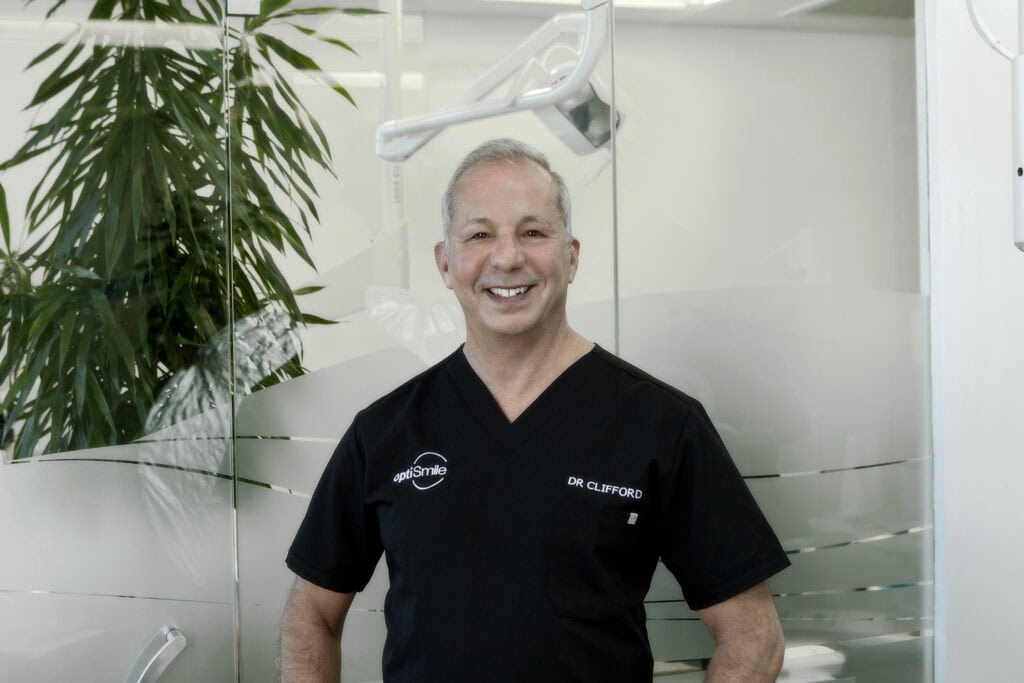
Welcome to *Save Your Money, Save Your Teeth*, the go-to podcast where curiosity meets dentistry. Hosted by Eon Engelbrecht with expert Dr Clifford Yudelman from OptiSmile.
[00:00:46]
Dr Yudelman reflects on past episodes on sedation and dental fear, introducing today’s focus: preparing for a stress-free dental visit.
Why Is Proper Preparation Key to a Stress-Free Dental Visit?
[00:01:30]
Preparation helps reduce anxiety and puts patients in control. Dr Yudelman explains what to expect during the first visit and the benefits of video consults for nervous patients.
What Should You Eat or Avoid Before a Dental Procedure?
[00:02:57]
Eat a protein- and fat-rich meal like cheese or toast beforehand. Avoid caffeine, alcohol, and sugar—especially important if sedation is planned.
How Can You Calm Your Nerves Before a Dental Visit?
[00:06:08]
Techniques like box breathing, calming music, guided meditations, and muscle relaxation can help manage pre-appointment anxiety.
Should You Bring a Support Person to Your Dental Appointment?
[00:09:50]
Yes—especially for sedation. OptiSmile provides a bench for companions during treatment to offer support and comfort.
How Does Communication with Your Dentist Reduce Anxiety?
[00:10:42]
Open dialogue helps tailor the experience. OptiSmile uses tools like The Wand for painless anaesthesia and gauges fear on a 1–7 scale for better care.
Can Music or Podcasts Help During Dental Treatment?
[00:13:44]
Absolutely. Patients can listen to their choice of music or podcasts via headphones or in-room speakers to stay relaxed.
What Should You Know About Transport After Sedation?
[00:15:41]
IV sedation requires a driver. Oral sedation still carries grogginess risks, so arranging transport is always advised.
Should You Take a Day Off After a Dental Procedure?
[00:17:27]
Yes—Dr Yudelman recommends resting after complex procedures or sedation, even if you feel fine.
What’s the Best Way to Overcome Dental Anxiety?
[00:18:25]
Communication! Let your dental team know your fears. The more they know, the better they can personalise your care.
Why Tune In to This Podcast for Dental Insights?
[00:20:21]
Dr Yudelman offers weekly tips to boost dental health and confidence. Stay informed, relaxed, and smiling—subscribe for more.
Transcript
[Eon Engelbrecht – E-Radio-SA] (0:05 – 0:43)
Welcome to Save Your Money, Save Your Teeth, the go-to podcast where curiosity meets dentistry, straight from the experts. I’m Eon, and every week, I chat to Dr Clifford Yudelman from OptiSmile, as we take a deep dive into the world of dental care from a consumer’s perspective. If you’re looking to brighten your smile or simply protect your wallet, we’ve got you covered with practical advice and the latest insights.
So, stick around and stay tuned as we uncover the secrets to maintaining both your dental health and your finances. Dr Clifford Yudelman, a big welcome back to you.
[Dr Clifford Yudelman – OptiSmile] (0:46 – 1:16)
Thanks, Eon, thanks for having me back. I hope you had a great week, and it’s great to chat with you again. I’m looking forward to rounding up Episode 53 on stress-free dental visits today. We spoke about oral sedation and conscious sedation last time, and before that, we discussed why people are afraid of the dentist. So, today’s topic is a general one on how to prepare for a stress-free dental visit.
I’m ready when you are.
[Eon Engelbrecht – E-Radio-SA] (1:19 – 1:30)
Dr Yudelman, why is proper preparation so important before coming in for a dental appointment, especially for anxious patients?
[Dr Clifford Yudelman – OptiSmile] (1:30 – 2:48)
If you’re prepared, it helps you walk in feeling more in control, knowing ahead of time what the dentist is going to do at that visit. For instance, if you’re going in for a check-up and x-rays, you’ll know that the dentist isn’t going to suddenly decide to do a filling on you at the first visit that you’re not prepared for.
At OptiSmile, we never do any treatment on the first visit unless it’s an actual emergency, and we know ahead of time that’s what the patient is coming in for. But, in general, we always do an exam and x-rays, and no actual procedures during that first visit.
For people who are really nervous, we can even do a video consultation ahead of time to prepare them. Being prepared also means that if you’ve already had your exam and you’re coming back for actual treatment, you’ll know what the dentist is going to do, how they’re going to do it, and you can ask questions ahead of time. That way, you can relax, because you know what’s going to happen. If you’re having sedation, you’ll know what to do ahead of time, like fasting or other instructions.
[Eon Engelbrecht – E-Radio-SA] (2:48 – 2:57)
Okay, and in terms of food and drink, what’s best to consume or avoid before a procedure involving sedation or local anaesthesia?
[Dr Clifford Yudelman – OptiSmile] (2:57 – 5:02)
I always recommend that, sedation aside, you should have a good meal before your appointment, but not right before. If you’re having local anaesthetic, you won’t be able to eat for a little while afterwards, especially if it’s on the lower jaw, where numbness can last for two to three hours. For sedation, the dentist will advise you on fasting requirements, but it’s not as strict as for general anaesthesia.
Avoid alcohol and caffeine before your appointment, as they can increase anxiety and heart rate. If you’re taking a sedative like Xanax ahead of time, don’t wash it down with an espresso, as it will counteract the sedative effect.
[Eon Engelbrecht – E-Radio-SA] (5:02 – 5:20)
Yes, absolutely. It’s terrible when your blood sugar crashes from all that stress, and you get sweaty and dizzy. It’s definitely important to eat something beforehand, but not immediately before, as you said.
[Dr Clifford Yudelman – OptiSmile] (5:20 – 6:01)
Exactly. I recommend something with protein and fat, like a piece of cheese or toast with cheese. Avoid high-carb, high-sugar snacks like energy bars or muffins. You want something that keeps your blood sugar stable.
[Eon Engelbrecht – E-Radio-SA] (6:01 – 6:08)
Let’s talk about mental readiness. How can someone calm their nerves on the drive or right before they step into the clinic?
[Dr Clifford Yudelman – OptiSmile] (6:08 – 7:44)
Simple breathing exercises can be done anywhere. There’s something called box breathing, where you inhale for four counts, hold for four counts, exhale for four counts, and hold again for four counts. Alternatively, you can do a deep inhale through your nose for five seconds and exhale through your nose for five seconds.
Listening to calming music or a funny podcast can also take your mind off it. In the waiting room, you can do a quick body scan, relaxing each muscle group from head to toe. There are apps with guided meditations too, and a lot of them have short five-minute sessions.
We try not to keep people waiting too long because even if you’re not nervous, waiting can build up adrenaline, which can mix with fear and make things worse.
[Eon Engelbrecht – E-Radio-SA] (7:44 – 7:53)
That’s awesome. Sitting in the waiting room, listening to all the noises, can really amp up the nerves.
[Dr Clifford Yudelman – OptiSmile] (7:53 – 9:30)
Absolutely. We’re lucky that our waiting room is soundproofed, and we keep the doors closed. We also use quiet electric motors for our drills, so there’s no high-pitched noise.
[Eon Engelbrecht – E-Radio-SA] (9:30 – 9:50)
Sometimes, having a friend or relative along can help. Do you encourage patients to bring a support person?
[Dr Clifford Yudelman – OptiSmile] (9:50 – 10:37)
Definitely. Especially if sedation is involved, you’ll need someone to drive you home. We even have a special bench in the room for a friend or family member to sit and hold your hand. It helps for moral support, and you’ve got someone to get you home.
[Eon Engelbrecht – E-Radio-SA] (10:37 – 10:42)
What about communication with the dental team beforehand? Should patients share their fears or concerns in detail?
[Dr Clifford Yudelman – OptiSmile] (10:42 – 13:38)
Yes, please tell us. The more we know, the better we can look after you. If you hate needles, for example, we use topical gel and a machine called The Wand to administer local anaesthetic slowly. We also offer sedation options.
We have a new patient form that asks, “How scared are you?” on a scale of 1 to 7. That way we know how to look after you. Some patients even require sedation just for their exam, and we organise that ahead of time.
[Eon Engelbrecht – E-Radio-SA] (13:38 – 13:44)
What about music or podcasts during treatment? Do they help reduce stress?
[Dr Clifford Yudelman – OptiSmile] (13:44 – 15:32)
Yes, for longer procedures, we provide headphones so patients can listen to music or podcasts. We even have individual speakers in each room connected to YouTube Music, and we ask patients what they’d like to listen to. It really helps people relax.
[Eon Engelbrecht – E-Radio-SA] (15:32 – 15:41)
If sedation is part of the plan, what should a patient expect in terms of transport?
[Dr Clifford Yudelman – OptiSmile] (15:41 – 17:21)
If you’re having intravenous sedation, you’ll definitely need a driver, as it can leave you groggy. For oral sedation, we recommend against driving, though some patients do. It’s always best to check with your dentist.
[Eon Engelbrecht – E-Radio-SA] (17:21 – 17:27)
For longer or more complex procedures, do you recommend taking a day off work or school to recover?
[Dr Clifford Yudelman – OptiSmile] (17:27 – 18:19)
Yes, why not? You deserve it. Even if you feel physically fine, sedation can leave you feeling groggy, so it’s best to take it easy.
[Eon Engelbrecht – E-Radio-SA] (18:19 – 18:25)
Finally, for anyone feeling overwhelmed, what’s the single best piece of advice for a smooth, stress-free dental visit?
[Dr Clifford Yudelman – OptiSmile] (18:25 – 20:21)
The main thing is to talk to us. Be open with your dentist about your fears. If you’re nervous, tell the receptionist when you book. A good dental practice will take that seriously and do what it can to make you comfortable. Most fears are based on the unknown, so the more we know, the better we can help you.
[Eon Engelbrecht – E-Radio-SA] (20:21 – 20:48)
That’s it for another episode of Save Your Money, Save Your Teeth. Dr Clifford Yudelman from OptiSmile, thank you so much for sharing your expertise with us.
[Dr Clifford Yudelman – OptiSmile] (20:48 – 20:53)
Thank you, Eon. Looking forward to next week’s episode!
[Eon Engelbrecht – E-Radio-SA] (20:53 – 21:31)
To our listeners, thanks for joining us. Remember, while we strive to provide valuable insights, always consult your own dental professional for advice tailored to your personal health. Don’t forget to subscribe to the podcast for more enlightening discussions. Until next time, keep smiling and taking great care of your teeth!
Disclaimer: The content provided in this podcast, “Save Your Money Save Your Teeth” on Medical Mondays, is for informational and educational purposes only. It is not intended to serve as dental or medical advice. The insights and opinions expressed by Dr. Clifford Yudelman and any guests are designed to foster a better understanding of dental health, preventive measures, and general well-being, but should not be interpreted as professional dental or medical recommendations.Dr. Clifford Yudelman does not diagnose, treat, or offer prevention strategies for any health conditions directly through this podcast. This platform is not a substitute for the personalized care and advice provided by a licensed dental or healthcare professional. We strongly encourage our listeners to consult with their own dental care providers to address individual dental health needs and concerns.The information shared here aims to empower listeners with knowledge about dental health but must not be used as a basis for making health-related decisions without professional guidance. Your dental care provider is the best source of advice about your dental and overall health. Please always seek the advice of your dentist or other qualified health professionals regarding any questions or concerns about your dental health.